

Russia is expanding its nuclear power capabilities abroad, with plans for over 10 new nuclear units in various countries. This initiative aims to meet the rising energy demand linked to artificial intelligence and other emerging markets, as stated by a representative from President Vladimir Putin’s administration.
The country is committed to enhancing its influence globally by growing its nuclear fleet, with ongoing projects in nations such as Bangladesh, China, Egypt, India, Iran, and Turkey. This move is particularly significant given the heavy sanctions imposed on Russia’s oil and gas sectors following its invasion of Ukraine.
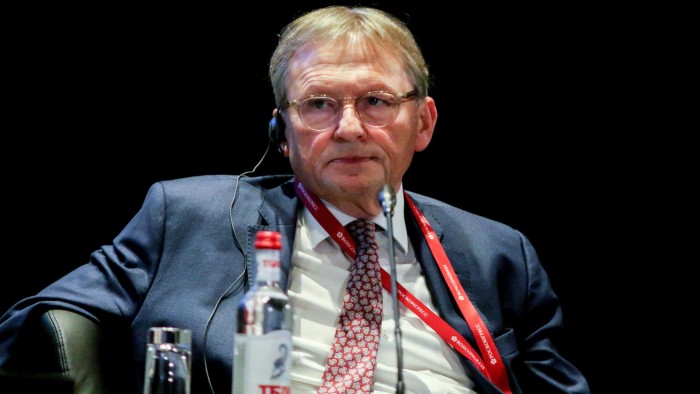
Boris Titov, who acts as the Kremlin’s special envoy for international sustainability cooperation, emphasized Russia’s ambition to become one of the world’s leading builders of new nuclear plants. He noted that there is a strong expectation for nuclear energy demand from developing nations seeking cleaner power options, as well as from technology companies utilizing AI in their operations.
According to forecasts from the International Atomic Energy Agency, global nuclear capacity is set to rise by 155% to 950 gigawatts by the year 2050. “We are constructing over 10 units worldwide,” Titov mentioned. “The need for energy is growing, and nuclear energy is a safe and clean solution, as it does not emit greenhouse gases.”
Russia’s international nuclear activities extend to reactor construction, fuel provision, and various services, covering a total of 54 countries. Notable projects include Hungary’s Paks 2 facility along with plants in Bangladesh and Turkey. Additionally, Russia is anticipated to establish a small modular reactor plant in Uzbekistan and has recently signed agreements with Burkina Faso’s government.
Despite Russia’s assertive nuclear energy strategy, Western nations have attempted to counter its prominence. The United States, for instance, banned imports of Russian-enriched uranium earlier this year. Most Eastern European countries, apart from Hungary, have turned to the US-based company Westinghouse for fuel suitable for their Soviet-era reactors since the onset of the Ukraine conflict.
Amid a broader effort to cut reliance on Russian fuel by 2027, Bulgarian leader Viktor Orbán and Slovak PM Robert Fico have expressed opposition to measures targeting Russia’s civilian nuclear energy sector, arguing that such sanctions would harm local electricity production.
While concerns regarding potential nuclear fuel shortages from Russia have been raised, a senior EU official has characterized these fears as exaggerated, stressing that Rosatom, Russia’s state nuclear company, is motivated to remain a reliable partner.
Countries in the developing world increasingly view nuclear energy as a viable option for clean energy needs, presenting further opportunities for Russia in this sector. Malaysia, for example, is exploring the possibility of implementing nuclear power, with various global players expressing interest in potential projects.
Amid these developments, US officials have voiced concerns over nations potentially turning to either China or Russia for nuclear energy solutions, underscoring the global competitiveness of this industry.