

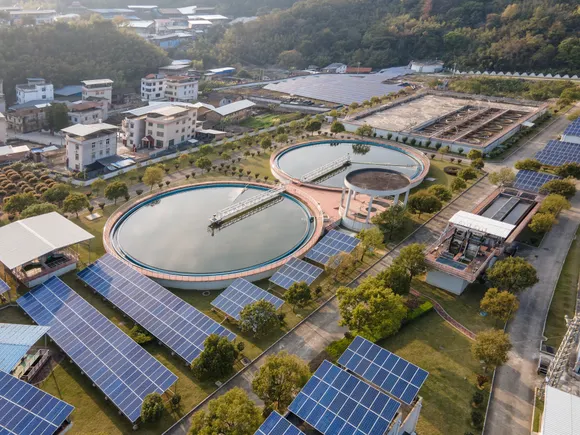
America’s water utilities face significant challenges, stemming from outdated infrastructure, stricter regulations, and rising demands on their systems. As these utilities strive to implement necessary upgrades, they must also manage affordability, workforce shortages, and accountability to the public.
In this evolving landscape of infrastructure investment, the focus has shifted from just identifying needed projects to figuring out how to execute them efficiently, with less risk involved. This change is influencing how projects are delivered.
Traditionally, utilities used the Design-Bid-Build (DBB) model, which separates engineering from construction. This often leads to risks being identified late in the process, causing coordination issues among designers, contractors, and owners.
Now, many are turning to collaborative delivery approaches, such as Progressive Design-Build (PDB), which enhance speed, cost certainty, and overall project outcomes.
Here are four key reasons water utilities are changing how they deliver infrastructure projects:
1. Early Predictability in Delivery
Through Progressive Design-Build, utilities bring together engineers, construction teams, and owners at the start of the project. This collaboration allows for better alignment on the project’s scope, costs, and timeline early on. By defining these elements upfront, the likelihood of late changes and claims diminishes, helping projects move ahead more quickly.
2. Support for Complex Infrastructure
Many public agencies juggle complex capital programs with limited staff and multiple contractors, facing redesigns and procurement delays. As utilities begin to use collaborative design-build models, they can overcome challenges like:
- Limited knowledge about collaborative delivery
- Procurement and statutory issues
- Concerns over pricing transparency
- Uncertainties in risk allocation and roles
These collaborative models promote early coordination, which helps mitigate these common obstacles.
3. Speed and Certainty are Essential
While design-build methods are known for faster outcomes, many utilities now emphasize the importance of confidence in governance and project results. Early collaboration fosters a better evaluation of project details during development.
In these collaborative formats, utilities can ensure:
- Clear pricing and scope
- Early constructability insights
- Unified governance
- Specialized water engineering expertise
- Smooth commissioning processes
- Coordinated planning and construction
The spotlight is now on improving overall project coordination rather than merely speeding up construction.
4. Delivery and Resilience
Water utilities are under persistent pressure, dealing with the need for PFAS treatment, aging infrastructure, climate change investments, and workforce difficulties. The way projects are delivered is now pivotal to ensuring financial stability, improving workforce efficiency, and maintaining public trust.
Collaborative delivery allows for earlier decision-making when project scopes and strategies can still be adjusted.
A Vision for Greater Resilience
Projects like Pure Water Soquel in California highlight the benefits of collaborative delivery for addressing intricate infrastructure challenges. This project aids the Soquel Creek Water District in combatting groundwater depletion and seawater intrusion through water recycling and reuse, showcasing the complex partnerships that utilities now navigate.
Addressing Infrastructure Pressures
A survey of over 600 water industry leaders reveals ongoing momentum in how utilities plan and collaborate to meet increasing demands. However, as challenges mount, the gap between awareness and readiness is closing, underscoring the need for proactive planning.
In summary, the water utility sector is undergoing significant transformations in how it delivers projects, with a focus on teamwork, efficiency, and resilience to meet future challenges.