

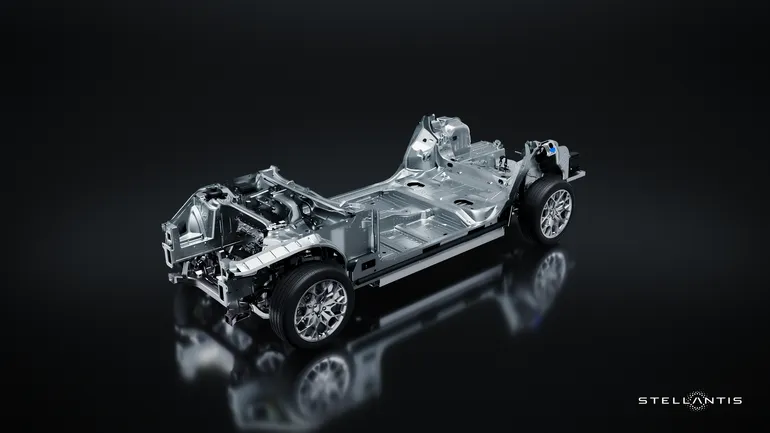
Stellantis and Zeta Energy to Develop Lithium-Sulfur Batteries
Stellantis has teamed up with Texas-based Zeta Energy to co-develop lithium-sulfur battery cells for future electric vehicles (EVs). The partnership was announced on December 5.
Lithium-sulfur batteries may offer about twice the energy density of the lithium-ion batteries commonly used in today’s EVs. They could also enable faster charging, potentially reducing charge times by 50%.
As part of this agreement, Stellantis plans to start pre-production of these batteries, with the goal of incorporating them into their vehicles by 2030.
Cost Efficiency and Environmental Benefits
The new lithium-sulfur batteries are expected to be less expensive to produce per kilowatt-hour compared to current lithium-ion options. Their high energy density might also mean Stellantis can use smaller yet cost-effective battery packs in their EVs, thus enhancing affordability without compromising on driving range.
Ned Curic, Stellantis’ chief engineering and technology officer, noted the collaboration is vital for progressing their electrification goals. He emphasized that groundbreaking technologies like lithium-sulfur batteries are crucial for achieving the company’s ambition of carbon neutrality by 2038 while ensuring customers enjoy better range, performance, and affordability.
Unlike typical lithium-ion batteries that rely on cobalt and nickel, lithium-sulfur batteries use waste materials like unrefined sulfur and methane. These materials are more accessible and can help reduce supply chain vulnerabilities since lithium-sulfur batteries don’t depend on critical elements such as cobalt or graphite.
Furthermore, Zeta Energy’s battery technology can be manufactured using existing production lines, meaning a smaller domestic supply chain could support battery production in Europe or North America without the need for essential raw materials.
Tom Pilette, CEO of Zeta Energy, expressed that combining Zeta’s innovative battery technology with Stellantis’ extensive expertise in manufacturing and distribution can significantly enhance the performance and cost-effectiveness of electric vehicles, while also boosting supply chain reliability.