

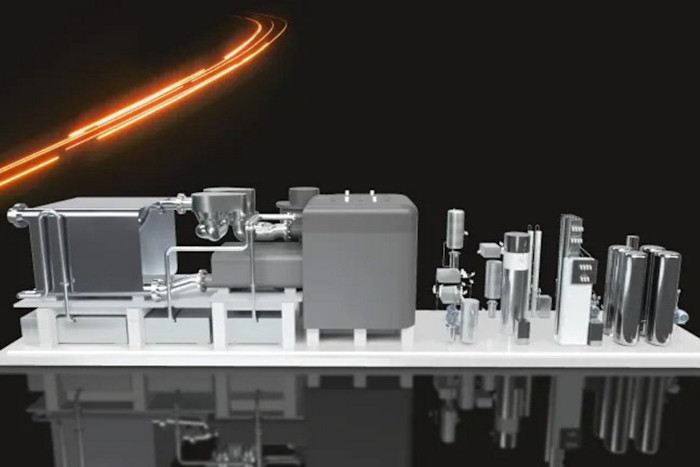
In December 2023, Naarea, a French nuclear start-up, hosted a glamorous gala in Paris to unveil a model of its mini reactor, which it believes could transform the energy landscape. The event marked a thrilling moment for the company, especially after securing €10 million in public funding earlier that year, reflecting the enthusiasm of its CEO, Jean-Luc Alexandre.
However, the excitement was short-lived as Naarea soon faced a severe financial downturn, putting it on the brink of court-managed liquidation. The six-year-old firm had aimed to roll out its reactors by the next decade but has stumbled amid increasing pressures.
Naarea, which stands for “Nuclear Abundant Affordable Resourceful Energy for All,” is just one of over 100 nuclear ventures worldwide striving to develop small reactors. Yet, many of these projects are encountering significant technical hurdles and the need for extensive capital investment, which can take years before generating any income.
Experts in the field, like Nicolas Goldberg from Colombus Consulting, emphasize that optimism about these start-ups often overshadows the reality of creating innovative nuclear technology. Historically, the nuclear industry has favored validated reactor designs.
Alexandre, a former executive in the railway and water treatment sectors, criticized the French government for being slow to provide ongoing support after its initial grant, complicating subsequent fundraising. While Naarea gathered €90 million from private investors in its early years, it estimates a need of €2 billion to realize its vision.
Challenges didn’t end there. As Naarea pushed forward, it faced skepticism regarding its planned fuel recycling process and the pace of its technological advancement. The company aims to produce small reactors that can generate cleaner energy for industries and data centers, reviving concepts that had fallen out of favor like microreactors.
Naarea wanted to utilize molten salt-based fuel instead of the traditional water-cooled reactors, a method that may offer safety benefits but requires significant research to address potential issues.
In 2021, the firm sought patents for its designs, with one granted in France, while others remain pending internationally. By 2023, Naarea had grown to around 300 employees and took up residence in a modern office building near Paris. However, they were still in the early phases of communicating with France’s nuclear safety regulators.
Unexpected political developments in early 2024 led to diminished governmental support for nuclear start-ups. A lack of promised funding left many companies, including Naarea, in a precarious position. Behind closed doors, state agencies had raised concerns about Naarea’s operational plans, particularly regarding the sourcing of plutonium, a crucial component for its reactors.
The limited availability of plutonium at treatment facilities worldwide compounded Naarea’s difficulties. After filing for bankruptcy protection in September 2023, hopes were revived when Eneris, a waste-to-energy company, initially offered to acquire Naarea. However, this deal fell through days before it was set to finalize, leading the court to order Naarea’s liquidation.
Eneris later claimed to have uncovered critical legal and technological challenges that had not been disclosed during negotiations, suggesting Naarea’s project was facing serious setbacks.
Despite Alexandre’s attempts to reassess and streamline operations, he expressed regret over placing too much faith in state support. Meanwhile, industry experts like Goldberg warn that issues surrounding small modular reactors extend beyond funding—they highlight the urgent need for validated designs in a sector still grappling with significant obstacles.