

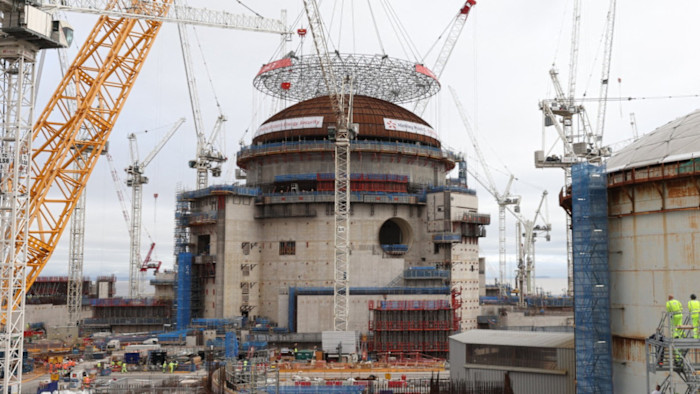
EDF has delayed the start of the much-anticipated Hinkley Point C nuclear plant in the UK, pushing the opening date to 2030. This change follows a charge of €1.8 billion and escalates the total cost of the project, which has already faced multiple setbacks.
The French energy giant announced that the first of the two reactors, part of a 3.2 gigawatt project in Somerset, will now be operational in 2030 due to delays in various electromechanical tasks. This new date is a shift from its earlier target of 2029, which was already postponed from an original 2025 timeline set when the project began in 2016.
EDF now expects the project to reach £35 billion based on 2015 valuations, nearly £49 billion in today’s money, up from an earlier estimate of £31 billion to £34 billion. Initially, when the project was approved in 2016, it was set at £18 billion. Moreover, if the timeline extends to 2031, it could add an additional £1 billion to the project costs.
While presenting the company’s annual results in Paris, EDF CEO Bernard Fontana mentioned that the revised timeline is now “more reasonable.” As Europe’s leading nuclear operator, responsible for France’s 57 reactors, EDF is under growing pressure to refine its construction processes. Previous projects have been significantly delayed and have exceeded budget expectations, sometimes taking over a decade to complete.
In terms of financial performance, EDF reported a 26 percent drop in net profit to €8.4 billion for 2025, attributed to lower electricity prices affecting operating income.
Additionally, EDF has received approval for another nuclear project, Sizewell C in Suffolk, which places more financial risks on British consumers and taxpayers if costs rise further. The company believes that insights gained from Hinkley Point C will aid in the development of Sizewell C, which uses identical reactor designs.
Along with these two projects, EDF is slated to construct a minimum of six new reactors in France starting in 2038. However, the company faced challenges, needing 12 extra years to complete its recently launched Flamanville 3 plant in northern France, and has struggled to secure international bids, losing to South Korean firms known for faster construction timelines.
Changes in safety regulations from authorities have complicated matters for EDF, but company leaders have acknowledged that decision-making on site has been too slow. Efforts are now being made to improve efficiency in collaboration with various suppliers.