

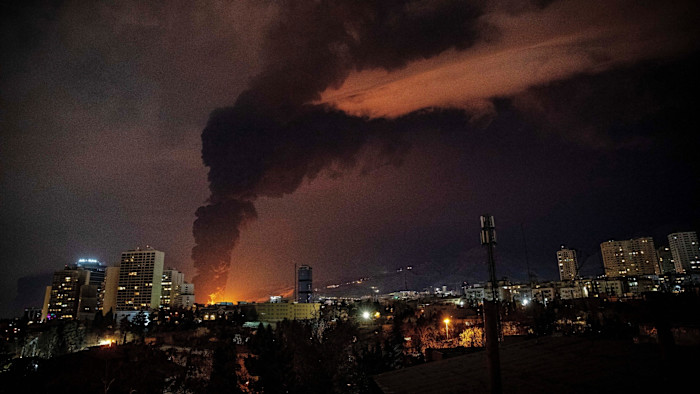
The G7 finance ministers held an emergency virtual meeting on Monday to discuss the rapidly increasing oil prices caused by the ongoing conflict in Iran. While they expressed their commitment to take actions needed to stabilize the situation, they did not decide on releasing strategic oil reserves.
In their joint statement, the ministers emphasized the necessity of addressing the war’s impacts on global energy supply, indicating they were prepared to consider options like stockpile releases. French finance minister Roland Lescure pointed out that while discussions were ongoing, a consensus on tapping into emergency reserves hasn’t been reached yet.
Expected discussions among energy ministers were scheduled for Tuesday, where potential actions could be finalized. A US official hinted at optimism that decisions could follow soon after this meeting.
Brent crude oil prices have surged nearly 40% since the conflict began, reaching over $100 a barrel for the first time in four years. Recently, prices jumped to nearly $120 in early trading, largely due to major Gulf producers, including Saudi Arabia, beginning to reduce their output as storage options dwindle. However, by the afternoon in London, prices settled at around $98.20 per barrel after some fluctuations.
Fatih Birol, head of the International Energy Agency (IEA), warned that the market faces significant risks as conditions have worsened recently. He noted that production has been reduced, further complicating the situation.
Under IEA guidelines, member countries maintain approximately 1.2 billion barrels in strategic reserves that can be utilized during emergencies. Historically, these reserves have only been tapped five times since the IEA’s establishment in response to the oil crises of the 1970s.
The G7 ministers reiterated the importance of monitoring the conflict’s effects on energy markets and global economic conditions, agreeing to meet as necessary for updates and coordination. Reports suggest that some US officials advocate for a joint release of between 300 to 400 million barrels, representing about 25-30% of total reserves.
EU economy commissioner Valdis Dombrovskis expressed concern that if the conflict escalates, it could lead to significant inflationary pressures on both global and European economies. He cautioned that continued disruptions in the Strait of Hormuz and threats to Gulf energy infrastructure could escalate energy prices, adversely affecting the broader economy. Dombrovskis stressed the urgency of de-escalating the conflict to minimize economic impacts.