

Canada Shifts Focus to Asia for Energy Exports
Good morning and welcome to an update on Canada’s energy landscape.
Executives in the oil industry are feeling the pressure to outline their future growth plans. With concerns about peak oil demand, major companies like ExxonMobil, Chevron, Shell, BP, and TotalEnergies are now expected to demonstrate the sustainability of their oil reserves.
Turning our attention to Canada, the country is making strides to pivot away from its traditional reliance on the United States for oil exports, seeking new opportunities in Asia, particularly in India and China.
Canada’s Energy Push in Asia
Prime Minister Mark Carney is leading this shift by exploring new markets for Canada’s oil, gas, and potentially uranium. As the Canadian oil sector thrives, the focus is on reducing its dependence on U.S. markets, which currently absorb most Canadian crude, even as the industry manages to achieve record production levels amidst fluctuating global oil prices.
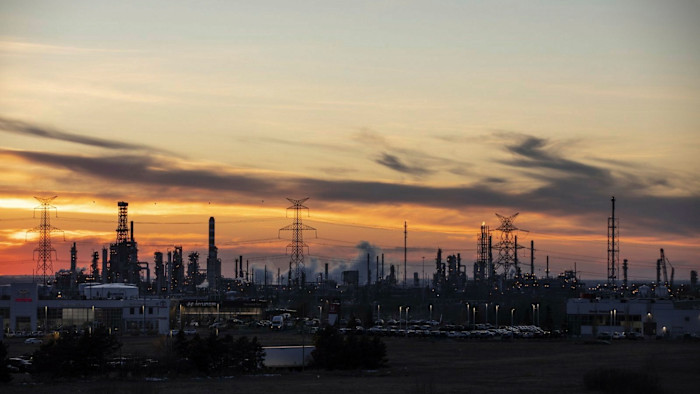
Canada ranks as the world’s fourth-largest oil producer, with substantial proven reserves found mainly in the Alberta oil sands—often criticized for their environmental impact. Additionally, Canada holds prominent status as one of the largest uranium producers, coinciding with growing global interest in nuclear energy.
In response to rising trade tensions with the U.S., Ottawa is enhancing its efforts to tap into the energy-hungry Asian markets. Recently, Carney made his first visit to Beijing in nearly ten years, emphasizing the desire to build a strategic partnership with China.
Initially, U.S. President Donald Trump appeared indifferent to this development, but he later expressed strong opposition, threatening to impose hefty tariffs on Canada. He also commented on the increasing influence of China over Canada.
According to recent shipping data, Canada’s oil exports to China surged dramatically, rising to 88.7 million barrels last year. This spike follows the expansion of the Trans Mountain pipeline, which has improved access for Canadian crude to the West Coast, allowing for easier shipment to Asia.
Looking ahead, Carney plans a visit to India early next month. This trip aligns with Canada’s energy minister’s recent participation in India’s Energy Week, marking the first attendance of a federal Canadian minister at this conference. Minister Tim Hodgson noted that Indian companies are expressing keen interest in liquefied natural gas (LNG) from Canada.
There are hints that Carney’s upcoming visit might lead to a significant uranium agreement with Cameco, a major player in the global uranium market.
However, boosting energy exports to Asia hinges on developing more infrastructure within Canada. The plan involves doubling LNG production alongside potential new pipeline projects aimed at significantly increasing daily exports to Asian markets.
That said, recent announcements from Enbridge, North America’s largest pipeline company, have raised concerns. The company has refused to build a new pipeline from Alberta to the West Coast due to perceived risks related to project development in regions with regulatory challenges.
Carney has also indicated that any increase in oil production would need to be paired with investments in carbon capture initiatives. This massive project, known as the Pathways Alliance, aims to mitigate emissions but poses substantial financial implications that many in the oil sector are hesitant to bear.
Despite a proposed agreement aimed at balancing the energy industry’s growth with environmental commitments, there remains skepticism regarding government policies, particularly concerning methane regulations and carbon pricing.
Canada faces significant environmental challenges, with per capita emissions ranking among the highest globally. A recent report revealed the country is not on track to meet its emissions reduction goals for 2026 or the 2030 Paris Agreement targets.
The ongoing challenge for Carney lies in managing the delicate balance between increasing oil and gas exports to Asia while satisfying environmental objectives and maintaining a favorable relationship with Washington.
(Ilya Gridneff)
Power Points
Energy Source is contributed by a dedicated team of reporters. For more updates, you can find us on social media.