

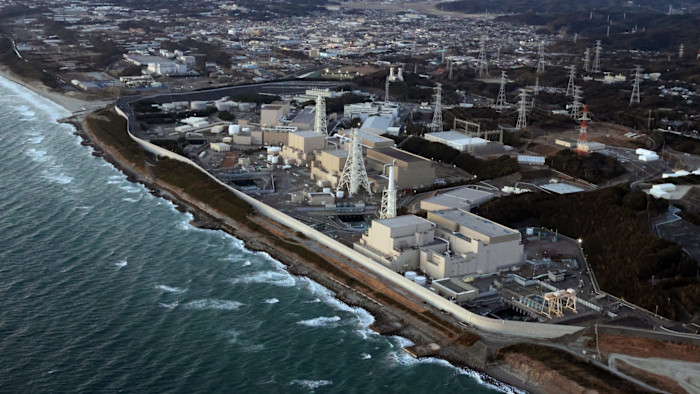
This month, a major Japanese utility, Chubu Electric, confessed to altering data to minimize the impact of a significant earthquake on a nuclear power plant that is under consideration for reopening. This revelation came after a security breach at Japan’s nuclear regulatory authority, where an employee misplaced a work phone containing sensitive contact information during a trip to China.
These compliance issues at Chubu Electric and the Nuclear Regulation Authority are shaking public confidence in Japan’s safety standards as the nation attempts to restart its nuclear facilities, 15 years on from the catastrophic earthquake and tsunami that devastated Fukushima.
Chubu Electric’s chairman, Satoru Kasuno, stated that their actions have severely damaged trust in their nuclear operations. The regulator accused the company of “fabricating” data, resulting in the cancellation of a lengthy review to restart two reactors. Kasuno warned that this situation could undermine the entire foundation of their nuclear operations.
The incident is part of a troubling trend; Japan’s nuclear energy sector has faced six significant incidents since 2008, highlighting the ongoing safety concerns in a country highly susceptible to earthquakes.
Since the Fukushima disaster, the Nuclear Regulation Authority has been lauded for its strict oversight, allowing 15 reactors to be restarted. However, experts warn that complacency is creeping in as the horrors of Fukushima fade from public memory.
Kazuto Suzuki, a professor at the University of Tokyo, remarked that while the regulatory systems are functioning, the individual accountability within electricity companies remains problematic. Chubu’s nuclear plants are vital for Japan’s automobile industry, impacting firms like Toyota, as their return could significantly lower power costs.
Chubu Electric reported that their staff had selected incorrect data regarding seismic expectations, which is crucial for determining if a plant can endure significant earthquakes. It remains uncertain whether senior management was aware of this error, and an independent investigation will take place.
Shinsuke Yamanaka, chair of the Nuclear Regulation Authority, emphasized that correcting this flawed data will require restarting the entire review process. The status of Chubu’s two Hamaoka reactors now hangs in the balance, with projections for their restart pushed back, raising concerns among local officials who question their reliability.
Prominent seismologists have labeled Hamaoka as one of Japan’s most perilous nuclear plants due to its location near a potentially dangerous seismic zone, with forecasts of possible catastrophic impacts from a major quake.
While some experts view this incident as an isolated problem for Chubu, others caution that it may slow down the overall pace of nuclear restarts and expose deeper issues within Japan’s power companies. Following the Fukushima incident, Japan closed 54 reactors but is now under pressure to revive them under Prime Minister Sanae Takaichi, as energy needs rise, especially for data centers.
Last year, the government set an ambitious goal for nuclear energy to supply 20% of the country’s electricity by 2040.