

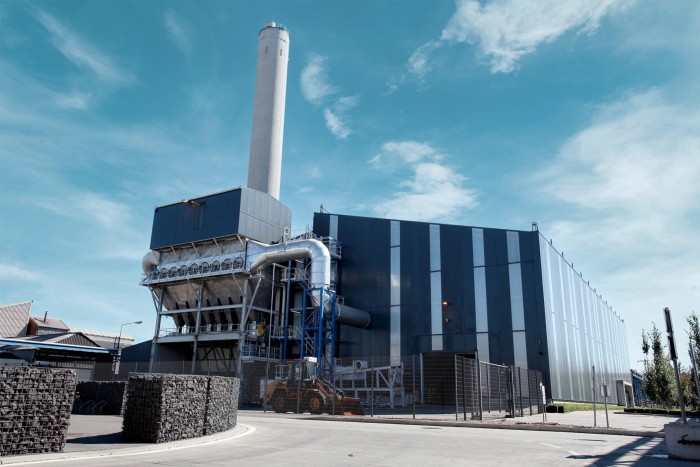
The battery materials industry, crucial for electric vehicle (EV) production, is gearing up for potential consolidation amid fierce competition from China, according to Bart Sap, head of Umicore, a major Belgian company in this sector.
Umicore specializes in producing materials for cathodes, which are key components of batteries. Sap expressed his intent to seek partnerships and acquisition opportunities to recover value in their ailing battery business. “We are exploring all possible angles to bring back value, as we’ve been through a tough phase recently,” he shared.
The company has experienced a fall in stock value, with shares plummeting more than 50% over the last year. Recently, Umicore reduced its capital spending on battery cathode materials by half, part of a broader strategy reset. The firm has also delayed plans for a battery recycling facility in Europe and another plant in Canada after reporting a significant impairment of €1.6 billion in its battery materials sector last year.
The challenges stem from a slowdown in the electric vehicle market and the rapid advancements in China, which dominates the production of cathode materials. Other Western companies, such as Germany’s BASF, are also feeling the strain from low-cost Chinese competitors, according to analysts.
With excess production capacity primarily driven by Chinese factories, many plants are currently operating at a mere 30-40% of their full capacity, which is insufficient for profitability. “Some smaller plants in China are scaling back operations significantly or even shutting down,” noted Evan Hartley from Benchmark Mineral Intelligence, indicating that consolidation is forthcoming.
China commands over 80% of the cathode active materials market after establishing substantial manufacturing capabilities swiftly. “The growth in capacity in China has been tremendous,” Hartley added, highlighting the challenges for Western manufacturers.
Looking ahead, Jason Ying, a commodity strategist at BNP Paribas, believes that despite a slowdown in electric vehicle sales, global capacity for cathode materials will continue to rise, primarily driven by Chinese investments. This scenario reflects the West’s growing reliance on China for crucial supply chains in key sectors.
To mitigate this dependency, Sap emphasized the need for European policymakers to formulate long-term strategies that support domestic industries and production capacities.