

A recent report from the UK’s Climate Change Committee (CCC) highlights that by 2040, consumers must contribute to a third of the required cuts in greenhouse gas emissions. The committee suggests significant changes to home heating systems and indicates that airfares may rise as part of these efforts.
The CCC’s report outlines essential shifts needed in the economy from 2038 to 2042, emphasizing that reducing emissions could make Britain more resilient by decreasing reliance on unstable fossil fuel markets. Piers Forster, interim chair of the CCC, noted that there doesn’t have to be a conflict between climate action and economic growth, urging improvements in transportation, housing, industry, and agriculture.
The report establishes a target of 535 mega tonnes for emissions over the five years leading up to 2042, including international aviation and shipping emissions. While this guidance is not legally binding, the government has typically adhered to the CCC’s recommendations when addressing carbon budgets outlined in the Climate Change Act.
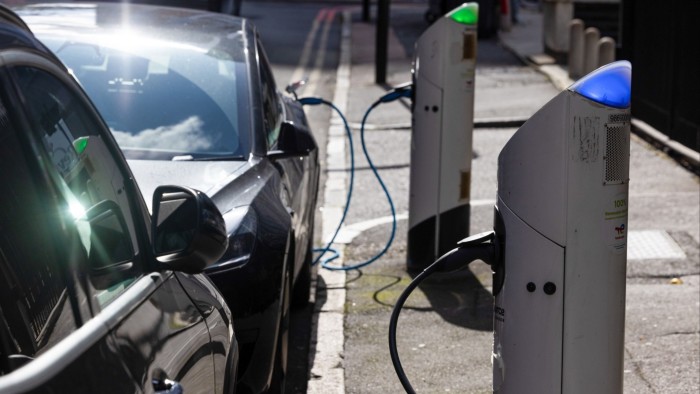
Traditionally, government strategies have focused on cleaning up energy supplies, but the CCC asserts that future efforts will need to involve consumers to a larger degree. Key actions that individuals can take include transitioning to heat pumps and electric vehicles. The report points out that these two changes could account for about 72% of the emissions reductions needed from households.
Emma Pinchbeck, CCC’s chief executive, stated that it’s projected that by 2040, 80% of cars on the road could be electric, and half of homes might have heat pumps installed. The CCC highlighted that heat pumps are significantly more efficient than gas boilers, which could lead to reduced household energy costs—provided existing policy burdens on electricity bills are removed. There is no future role anticipated for hydrogen in home heating.
Households may require government support to help cover the initial costs of upgrading home heating systems, with potential savings of around £1,400 annually on energy and fuel bills by 2050. The CCC also argues that aviation costs should reflect the true expenses of decarbonization. They suggest implementing a tax on kerosene or levying additional charges on frequent flyers.
Under the scenario where carbon emissions from aviation are given high importance and airlines transfer these costs to customers, flight prices could rise by £150 for trips from London to Alicante and by £300 for return flights to New York.
The committee estimates that the net cost of achieving a net-zero economy could be about 0.2% of the UK’s GDP annually by 2050. While most businesses might not face significant long-term challenges due to this transition, there is a concern about considerable shifts affecting sectors like oil and gas, as well as certain farming areas.
Sam Hall, director of the Conservative Environment Network, described this budget as a move towards a more market-friendly and less prescriptive approach from the CCC. The transition to cleaner energy and electrification is expected to account for 60% of the necessary emissions reductions by 2040, helping to protect households and businesses from volatile energy prices.
The report also highlights a need to reduce livestock numbers by about 25% by 2040 to decrease methane emissions and create space for forestry. The CCC has now suggested a diminished role for biomass power plants equipped with carbon capture technology, lowering its anticipated impact on emissions reduction compared to previous recommendations.
Energy Secretary Ed Miliband emphasized that the clean energy transition is key to ensuring energy security in the UK while lowering costs and creating jobs, pledging that this mission will aim to enhance the economy and improve living standards for working people.