

Dive Brief:
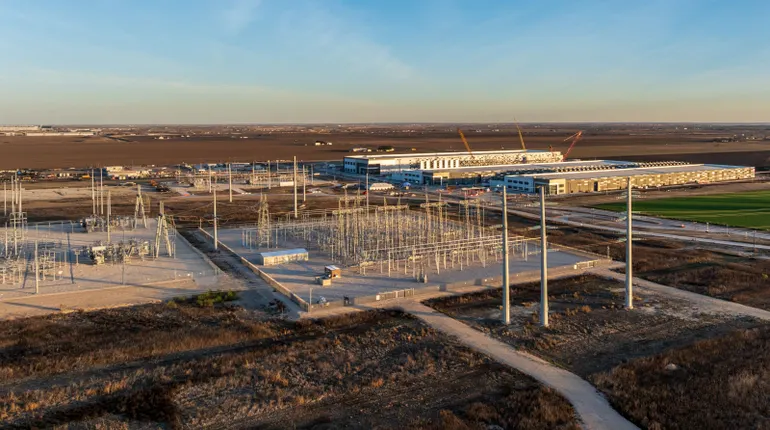
- The Public Utility Commission of Texas has recently approved a new net metering plan for a 260-MW AI data center that will be built alongside a wind farm of a similar size. This decision has the potential to set a standard for similar projects in the state.
- This will be the second data center at the site, with the developer arguing it should operate under different rules than the first since the combined load of both centers—around 525 MW—exceeds the generation capacity of 265.5 MW.
- The commission did not accept this argument. The recent order mandates that the data center must be able to reduce its total load within 30 minutes during grid emergencies, even requiring physical disconnection if necessary. Additionally, it cannot participate in demand-response programs linked to this arrangement.
Dive Insight:
This case is an important test of Texas’ SB 6 laws enacted last year, which introduced new regulations for large electricity users in the Electric Reliability Council of Texas (ERCOT) territory. These rules grant the grid operator authority to disconnect data centers during grid emergencies.
Instead of creating exceptions for specific projects, the commission mostly accepted ERCOT’s reliability conditions. This order allows the co-location project to proceed while establishing certain operational rules for future projects that work behind the meter.
Chris Talley, co-founder of GridTracker, mentioned in a LinkedIn post that the ruling is not fatal for co-location projects in ERCOT. He noted that it implies a need for full backup resources capable of handling the load off-grid for an extended period, rather than just supporting short interruptions. He also warned that this assumption is yet to be tested, referencing an upcoming co-location application by Amazon and Vistra near the Comanche Peak nuclear plant as a case to follow.
Talley emphasized the importance of observing how ERCOT and the Commission respond to that application.
The order imposes stricter operational demands on the data center than what is typical for industrial facilities. It states that ERCOT should ideally provide 60 minutes’ notice for actions, while allowing for a quicker 10-minute response if the operator commits to it voluntarily.
By not allowing the project to earn money from reducing its load during emergencies, the order differentiates between mandatory curtailment and voluntary grid services. It makes rapid shutdown a critical requirement for these kinds of projects.
The developer, Crusoe, along with Ensign, the customer set to run the site, argued that taking down the entire facility during emergencies was excessive, especially since the first wind project already met reliability standards. However, the commission largely followed the recommendations from their administrative law judge, maintaining that keeping the second load operational while the first is curtailed could jeopardize grid reliability during emergencies.
This case has also seen input from various stakeholders like the Texas Competitive Power Advocates and gas producer BKV, who expressed concerns that this framework might deter future co-location initiatives. However, PUCT staff asserted that these parties did not have the standing to argue, and the final ruling did not address their concerns.