

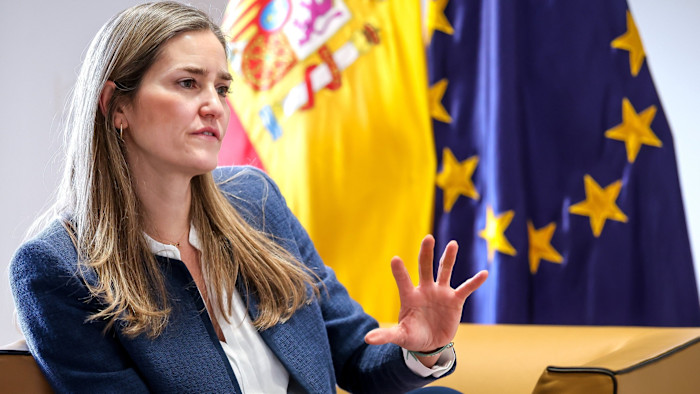
Spain is standing firm in defense of the EU carbon trading system, stating that dismantling it amid the energy price crisis triggered by the Iran war would be a major mistake. Italy and several other countries are pushing to suspend the emissions trading system (ETS), which accounts for about 11% of energy costs, to ease market pressures following the closure of key oil and gas transit routes.
Sara Aagesen Muñoz, Spain’s energy minister, expressed concern that using this crisis to alter a functioning system would be irresponsible. She emphasized the importance of maintaining the ETS while reflecting on lessons learned from the war in Ukraine.
The ETS requires companies to hold permits for carbon emissions, encouraging them to reduce their carbon footprint. During a previous energy crisis exacerbated by Russia’s invasion of Ukraine in 2022, the EU chose not to suspend carbon trading despite similar pressures. Aagesen highlighted that the ETS is once again at risk but should be preserved given its success in fostering green innovation and investments.
Tensions over the ETS are likely to increase soon, as European Commission president Ursula von der Leyen has outlined new options for addressing energy prices in light of an upcoming EU leaders’ meeting. She plans to expedite a review of the system to create a more achievable decarbonization path beyond 2030.
Spain has joined forces with Portugal and Scandinavian countries in supporting the ETS through a joint letter. The country has made significant strides in renewable energyunder the leadership of Prime Minister Pedro Sánchez, achieving a renewable energy capacity of 57% in its electricity mix by 2025.
Aagesen noted that this progress has made Spain more competitive, as gas prices have less impact on electricity costs. However, some EU countries reliant on fossil fuels are targeting carbon costs as gas prices rise. Italian Prime Minister Giorgia Meloni has called for the suspension of the ETS until a review can take place, while German Chancellor Friedrich Merz also raised concerns about the system.
Aagesen expressed openness to measures ensuring that revenue from the ETS goes toward decarbonization and to stabilize carbon prices. Von der Leyen has indicated she will soon propose using a reserve of carbon credits to maintain price stability.
While the Spanish government is not looking to reinstate the “Iberian exception” — which allowed it and Portugal to manage their electricity markets separately — it plans to implement broader measures to protect consumers from price fluctuations. Proposed measures include two domestic packages aimed at surging energy prices and strengthening the renewables sector.
Short-term strategies may focus on vulnerable households, such as a ban on electricity shutoffs for those unable to pay their bills, as well as expanded subsidies for electricity costs. Additionally, sectors like fishing, farming, and transport will receive support, although specific plans regarding price caps remain unconfirmed. Spain’s economy minister has ruled out reinstating previous petrol subsidies or broad VAT cuts.