

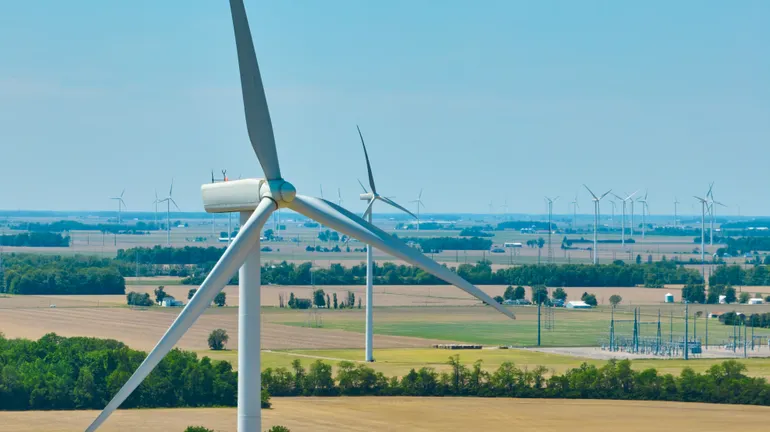
CMS Energy recently announced its decision to sell non-utility renewable energy operations within its NorthStar Clean Energy Services subsidiary. This subsidiary is responsible for operating about 1.8 gigawatts of generation capacity across several states including Michigan, Ohio, and Texas.
Based in Jackson, Michigan, CMS Energy mentioned that this move aims to streamline its corporate structure, generate approximately $500 million, and prepare the company to focus primarily on regulated utility operations after 2027. The utility branch, known as Consumers Energy, serves nearly 1.8 million electric customers and 1.7 million gas customers throughout central and western lower Michigan.
CMS Energy will continue to hold onto key assets within Michigan, such as the Dearborn Industrial Generation plant— a 770-megawatt waste and gas-fired cogeneration facility located near Detroit—along with several gas-fired peaker plants and solar installations totaling about 500 MW of capacity.
According to Srikanth Maddipati, the new chief financial officer, the strategy involves directing capital away from NorthStar, allowing for growth primarily from the utility segment while managing finances more efficiently.
In the second quarter, CMS Energy reported an adjusted earnings drop of 48%, down to 37 cents per share from 71 cents the previous year. Factors contributing to this decline include mild winter and spring weather, as well as infrastructure issues caused by successive storms.
To address ongoing reliability challenges, CMS Energy has requested a two-year investment recovery mechanism to cover costs associated with strengthening the grid. This request follows a previous approval of a one-year extension for a similar investment recovery mechanism.
The company’s large-load customer pipeline remains stable at around 9 gigawatts, with new developments in the works. However, an ongoing struggle with a planned Microsoft data center has raised concerns among analysts, as local opposition continues to mount.
CMS Energy also faces increased operational costs at the J.H. Campbell Generating Complex, which is currently subject to government directives delaying its scheduled retirement in May 2025. The costs resulting from these extended operations have reached $259 million as of mid-2026, highlighting the financial pressures involved.
The company remains optimistic about securing future contracts in the data center sector despite competition from rival DTE Energy, which is ahead in launching similar projects.