

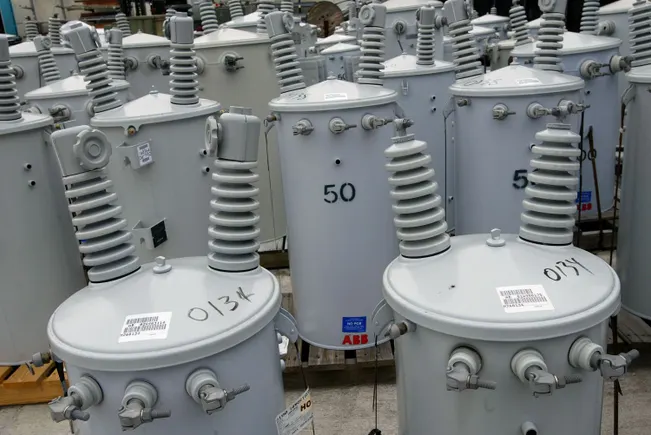
The Trump administration is looking into changing energy efficiency requirements for distribution transformers that were previously approved two years ago. This potential revision is raising concerns among utility companies and other stakeholders about possible delays in grid expansion.
The currently planned rules, which are set to take effect in 2029, would adjust efficiency targets for transformers by including more amorphous electrical steel, alongside the commonly used grain-oriented electrical steel (GOES). The Department of Energy (DOE) aimed to strike a balance in 2024 by allowing both materials to be used, ensuring that manufacturing can meet the rising demand for grid equipment. Back when the rule was established, acquiring new transformers was already taking a long time—up to 18 months—creating fears that changes might worsen manufacturing and supply chain issues.
Many stakeholders appreciated the previous rules for achieving a stable balance between efficiency and market realities. However, the Trump administration has been taking steps to roll back various energy efficiency regulations introduced during the Biden administration.
Earlier in June, the DOE sought feedback on how changes to transformer rules might impact national security and manufacturing resilience. Despite Trump advocating against efficiency limits for household appliances, transformers are a special case and less commonly discussed.
Andrew deLaski, the executive director of the Appliance Standards Awareness Project, noted in an email that there hadn’t been widespread calls for revisiting these changes. His organization had initially supported the 2024 transformer rules.
In comments submitted to the DOE, the Edison Electric Institute expressed support for maintaining the 2024 rules, suggesting that extended compliance times would benefit members who have already faced several challenges due to higher costs and supply chain disruptions.
The American Public Power Association and other groups echoed this sentiment, emphasizing that they do not advocate for changes to the finalized rule but believe it’s crucial for the government to keep an eye on supply chain developments, especially regarding amorphous steel.
Manufacturers also seem aligned with the standards introduced during the Biden administration. They assert that the established guidelines offer certainty while balancing efficiency needs with manufacturing realities.
However, one significant player, Cleveland-Cliffs, a major U.S. steel producer, has come out in favor of changing the 2024 rule. Previously supportive, they are now urging the DOE to revise the standards to maintain the use of GOES in transformers. They caution that current plans could weaken domestic supply chains and increase reliance on foreign materials.
The upcoming revisions and their implications could significantly impact the future landscape for energy-efficient transformers and the broader electric grid.