

Europe’s electricity grid operators are urging significant reforms across the continent following last year’s Iberian blackout. This call to action comes from ENTSO-E, the body representing various grid operators.
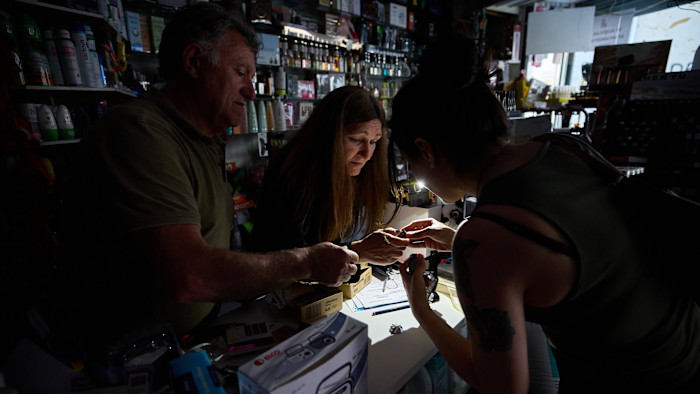
The blackout, which occurred on April 28, 2022, affected nearly 60 million people in Spain and Portugal. It was described as a unique event, raising concerns about the stability of a power system that has shifted dramatically due to the growth of wind and solar energy sources. The incident led to increased scrutiny of renewable energy and questions about Spain’s plans to eliminate nuclear power.
On the day of the blackout, unexpected voltage fluctuations caused by sudden changes in electrical frequency overwhelmed the Spanish grid, resulting in the disconnection of power plants. Damian Cortinas, the chair of ENTSO-E, emphasized that the problem was not with renewable energy itself, but rather the grid’s need to adapt to manage fast voltage changes effectively.
Cortinas pointed out Spain’s pioneering role in the transition to clean energy and highlighted the importance of learning from this event to avoid future occurrences elsewhere. Spanish authorities have attributed the blackout to a mix of poor planning and operational errors, spreading responsibility among grid operators and electricity providers.
The ENTSO-E report did not assign blame to Spain’s grid operator, Red Eléctrica. While critics of renewable energy have used the blackout to argue that such systems are more prone to instability, ENTSO-E has dismissed this claim. Cortinas stated that all forms of energy generation must have proper voltage control measures in place.
He noted that the technology needed to enhance the stability of the grid is already available, such as devices called “statcoms,” which help manage voltage spikes. However, upgrading existing power plants is expected to involve considerable costs. Cortinas acknowledged that determining who would bear these expenses would require careful consideration in each country.
As Europe looks to improve its grid infrastructure amid rising energy prices, Brussels is preparing to introduce a new package this year. This initiative aims to enhance cross-border grid connections and grant the European Commission greater authority for centralized planning to optimize resources.