

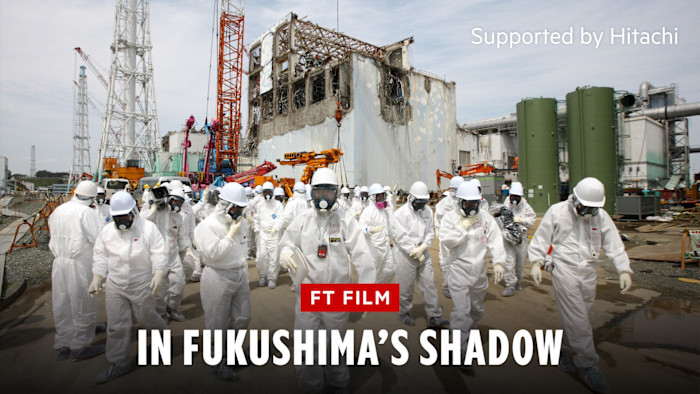
Japan is at a crossroads regarding its energy policy as it contemplates a return to nuclear power over a decade after the Fukushima disaster. Following the catastrophic events in 2011, all nuclear reactors in the country were shut down, leading to significant energy challenges and shifts in the energy landscape.
Fast forward to today, and Japan faces increasing pressure to meet growing energy demands, especially as the world embraces artificial intelligence and seeks sustainable energy solutions. The need for low-carbon power sources is more pressing than ever, prompting a reevaluation of Japan’s stance on nuclear energy.
Balancing safety concerns with energy needs is a complex issue for Japan. The government is now exploring options to restart some reactors while ensuring the utmost caution and safety measures are in place. This decision highlights the struggle between Japan’s historical experiences and the evolving demands of modern energy requirements.
As the nation weighs its options, the path forward remains uncertain, reflecting both a commitment to renewable energy and a pragmatic approach to utilizing available resources.