

Energy Source: Winter Struggles and Solar Opportunities
Greetings from New York! The city is currently dealing with a significant winter storm, covering the area with nearly a foot of snow. This weather event has caused wholesale gas prices to spike dramatically.
On Monday, Henry Hub future prices rose to as high as $7.43 per million British thermal units, marking a staggering 140% increase since January 16. In some northeastern states, spot prices soared to between $50 and $100 per million BTUs over the weekend and even hit around $150 on Monday.
This situation poses a challenge not only for consumers, who can expect their household gas and electricity bills to rise, but also for President Donald Trump. He had promised to halve energy prices within a year of his inauguration, whereas gas prices increased by over 10% and electricity costs rose by 6.7% over the past year.
In other news, Adnoc, the state oil company from Abu Dhabi, is increasing its stake in the Rio Grande LNG terminal in Brownsville, Texas. This move highlights the growing interest of Middle Eastern energy companies in the U.S. market, as they look to establish a foothold in the world’s largest LNG export country.
Meanwhile, there is an interesting report concerning Europe’s ambitious plan to develop a vast offshore wind grid in the North Sea. This initiative is part of the continent’s strategy to reduce its reliance on Russian gas, as well as U.S. LNG.
European energy commissioner Dan Jørgensen emphasized that the goal is not to replace one dependency with another, but to focus on growing their own energy resources.
US Solar Sector Adapts Amid Changing Policies
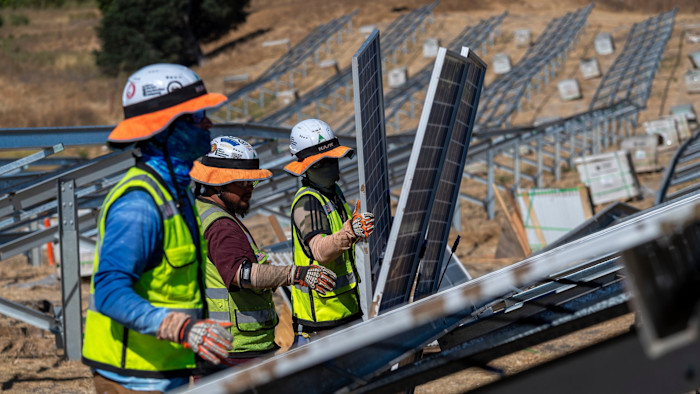
As the U.S. solar industry enters a period of transition, it is adjusting to the earlier phasing out of key tax credits that had supported its growth.
While rising electricity prices have sparked some optimism, particularly for utility-scale solar, other segments, such as residential and commercial solar, may see a slowdown. Experts from Wood Mackenzie and the Solar Energy Industries Association noted that solar still represents a significant portion of new electricity capacities added to the grid through 2025.
However, the expiration of tax incentives, particularly affecting homeowners investing in solar systems, is expected to lead to an 18% contraction in the residential solar market this year. Yet, there’s hope for recovery by 2027 due to rising retail rates and lower equipment costs.
To adapt, many companies are shifting to alternative financing models, such as third-party ownership, which retain tax benefits and reduce costs for consumers.
Looking Ahead: Industry Trends
The industry is also witnessing consolidation, as capital providers become more selective. Mergers and acquisitions are on the rise, and some companies are already making moves to grow through acquisitions.
However, challenges remain, particularly related to supply chain issues and regulatory uncertainties. Smaller installers are reporting difficulties securing equipment, and permitting delays are expected to hinder progress this year. New regulations regarding foreign ownership of solar projects may also complicate matters.
Overall, while the solar industry faces hurdles in the near term, long-term growth opportunities remain as the energy landscape continues to evolve.
Thank you for reading. Stay tuned for more updates on the energy sector!