

EDF, Europe’s largest nuclear power company, is aiming for a major comeback reminiscent of the 1980s when it swiftly built numerous reactors across France, typically completing each in about six years.
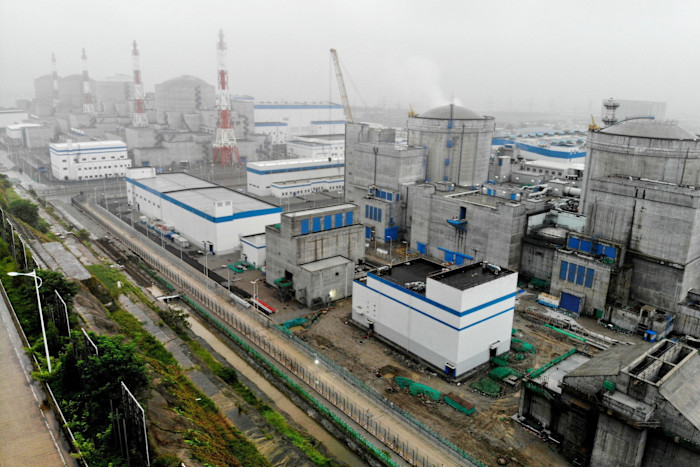
To boost efficiency in its operations, the state-owned French firm is looking to overhaul its supply chain and is collaborating with Chinese companies to learn their methods, particularly in achieving faster construction times. EDF has already sent teams to work closely with China General Nuclear Power Group and China Nuclear Engineering Corporation to understand how they manage five-year timelines, especially after facing a 16-year delay at Flamanville in northern France.
The stakes are high, as EDF aims to spearhead Europe’s nuclear revival with plans for six large new reactors in France, which could cost nearly €73 billion at 2020 prices. Overly long project timelines could hinder these ambitious goals, which were highlighted by President Emmanuel Macron in 2022. The government has yet to finalize orders for these projects.
Jérôme Stubler, the head of Equans, which supplies specialized systems for reactors, emphasized the urgency for suppliers to enhance their speed. He mentioned that bulk ordering similar reactors could streamline the process and reduce the time spent on preparatory studies.
EDF’s recent history isn’t without challenges. Issues at Flamanville forced the government to investigate the problems that plagued supply chains, leading to costly mistakes. In the UK, the Hinkley Point C reactor is now projected to be completed in 2029, a decade after receiving approval, largely due to changing regulatory demands.
Bernard Fontana, the new CEO at EDF, is committed to cutting down construction times. He noted that they managed to reduce the timeline by over four years by minimizing the number of inspections from 26,000 to just 700, aiming for greater efficiency rather than simply reducing checks.
Fontana also mentioned that EDF is preparing to commence work on its first two new reactors in Penly, Normandy, although a final investment decision is still pending until late 2026.
The company is focusing on enhancing logistic operations to speed up on-site work. Thierry Le Mouroux, a director at EDF, revealed that their visits to China taught them valuable lessons about organizing construction tasks to allow overlapping activities instead of following a sequential approach.
Furthermore, investments in modern technology, including artificial intelligence, are being explored to help avoid past errors and ensure a smoother construction process.
In sum, EDF’s strategy aims to revitalize its operations by managing multiple projects simultaneously and learning from both successful and challenging experiences. As they prepare for further developments in the nuclear sector, the company remains optimistic about its plans for future reactors and expanding its influence.