

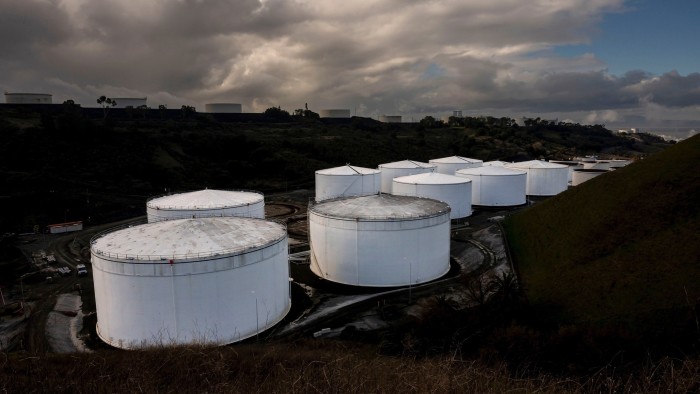
Hedge funds and trading firms are increasingly moving into the world of physical commodities, seeking new ways to generate returns, even though they lack the long-standing experience that established companies like Trafigura and Vitol possess.
Traditionally, financial firms have engaged in trading contracts for energy resources like oil, natural gas, and electricity. However, hedge funds such as Balyasny, Jain Global, and Qube are now expanding their operations to trade directly in these physical markets, allowing them to respond more dynamically to global price changes.
This shift can include securing the rights to transport natural gas or acquiring storage facilities for crude oil, allowing them to store electricity in batteries for sale during peak demand periods. By participating in these markets, traders gain access to important insights about economic shifts even before official data is released. Michael Alfaro from Gallo Partners described it as an “information gold rush,” emphasizing how direct involvement in physical commodities can provide a competitive edge.
Balyasny has recently enhanced its teams and research capabilities in Europe, bringing in talent from established utilities, while Jain Global has made strategic acquisitions like Anahau Energy, which specializes in natural gas. Qube has also entered the European physical power market, hiring numerous traders as it builds its presence.
Hedge funds have been motivated by the impressive profits seen by trading firms like Trafigura and Vitol. In 2022, hedge fund Citadel benefitted greatly from the volatility in natural gas markets, leading to significant profits. This year, Citadel has been particularly active, including a $1.2 billion acquisition of Paloma Natural Gas and further investments in natural gas assets.
Despite the mixed results in 2023, hedge funds view physical commodities as a potential source of diversification. The unpredictability of commodities can lead to opportunities, especially during crises like the one caused by Russia’s invasion of Ukraine. Advanced data analysis helps hedge funds forecast demand fluctuations, enhancing their positioning in power markets.
While some hedge funds are finding success, they also face challenges. The risk associated with venturing outside their traditional focus can be steep. Historical instances, such as the collapse of Amaranth in the mid-2000s, serve as cautionary tales about the dangers of engaging with physical commodities without sufficient expertise.
As hedge funds aim to compete with established trading houses that manage significant logistical supply chains, they must navigate a landscape filled with higher risks and complex dynamics. The move into physical commodities could reshape their future strategies, but it also requires a careful balancing act between risk and opportunity.