

Dive Brief:
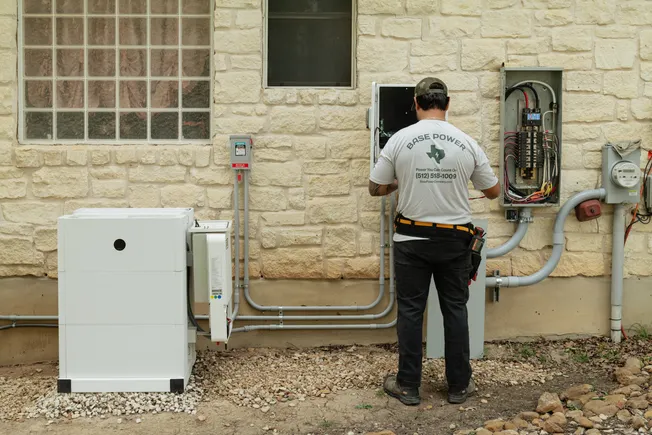
- Ava Community Energy recently introduced an impressive $11.25 million incentive program aimed at helping homeowners install solar and battery storage systems.
- Based in Oakland, California, the community choice aggregator offers a SmartHome Battery program, which allows customers to share up to 80% of their home batteries. For those qualifying based on income, Ava will provide rebates of $500 per kWh shared, while others will receive $90 per kWh.
- This announcement follows California lawmakers advancing a bill to update the state’s energy capacity rules, allowing distributed energy resources like home batteries to count as energy capacity.
Dive Insight:
According to reports, California residents are adding around 8,000 battery installations, totaling around 100 MW, every month. This information comes from state Senator Josh Becker, who is leading the bill to ensure that distributed energy sources can compete equally with traditional energy resources.
Becker emphasized that his bill aims to create equal opportunities for distributed energy resources alongside conventional power sources already recognized by state regulations.
Brandon García from Advanced Energy United noted that the bill acknowledges the critical role stationary batteries and electric vehicles play in California’s energy landscape and their ability to help reduce rising infrastructure costs.
“California has worked hard to encourage consumers to invest in distributed energy resources like EV chargers and solar panels. However, our policies still do not fully value how these resources can alleviate the energy affordability crisis,” García added.
Howard Chang, the CEO of Ava Community Energy, mentioned that the SmartHome Battery program was developed in response to unfavorable changes in compensation for solar customers and the end of federal tax incentives for residential solar systems last year.
Environmental advocates have long challenged these changes in court, but so far, the rulings have upheld the new compensation system known as NEM 3.0.
Following NEM 3.0’s implementation, installations of solar-only systems dropped significantly, while interest in solar-plus-storage systems surged, more than doubling in the year after the new rules took effect.
“As demand for electricity rises, we are committed to helping our customers manage these challenges through incentive programs that enhance affordability and ensure stability for the grid,” Chang stated.
In addition to rebates, the SmartHome Battery program offers monthly payments of $3 for each kWh shared. Customers can share 40%, 60%, or 80% of their battery capacity, provided they own the batteries and are not part of conflicting programs.
Last year, California significantly cut funding for the Demand Side Grid Support program, which has become a major virtual power resource since its launch in 2022. An Ava spokesperson confirmed that changes to this program won’t impact the SmartHome Battery program.