

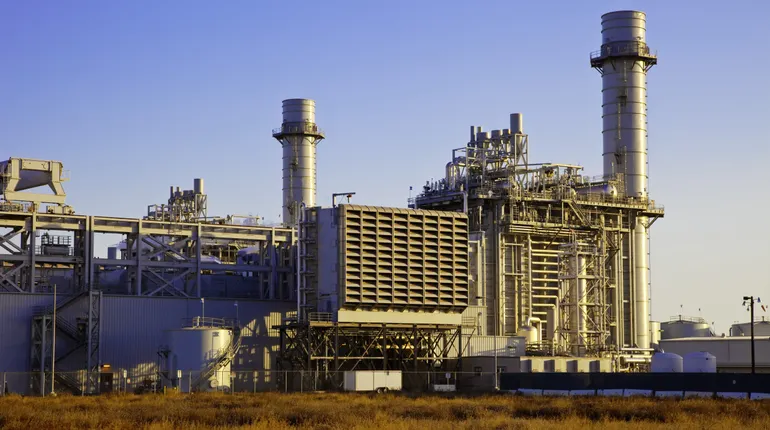
Many experts believe new technologies are vital for reducing emissions in the power sector. Key solutions include carbon capture and storage (CCS), advanced nuclear power, and other emerging energy sources.
CCS-equipped power plants stand out as promising options for cutting carbon emissions. They are backed by federal support, like the 45Q tax credit, and have the potential to scale effectively. Noteworthy projects include the Broadwing initiative in Decatur, Illinois, and others in Baytown, Texas, and southeastern Wyoming. With the demand for AI technologies rising, such developments could be particularly beneficial.
However, CCS projects need to find additional funding to cover carbon capture costs since existing incentives may not be enough to encourage widespread use. Clean energy buyers who value low-carbon electricity could play a crucial role in making these projects financially viable, but they also need a way to confirm the low-carbon nature of their energy.
Clean energy buyers typically use renewable energy credits (RECs) to verify their use of emissions-free resources. A similar certificate could be structured for energy produced with CCS, although it may not imply zero emissions. These energy attribute certificates (EACs) are useful for emissions tracking under established standards.
When linking CCS applications to emissions accounting, key questions arise: What emissions reductions can be credited? How should these credits be claimed? Other important considerations include:
- How should processes for capture and storage be monitored?
- How do we assess different fuels and their CO2 applications?
- How can we differentiate projects based on their carbon capture effectiveness?
- What verification methods ensure the credibility of emissions claims?
Answering these questions consistently will help establish a standard for CCS generation and build confidence in emissions claims. NorthBridge Group has engaged with various stakeholders, including NGOs and emissions experts, to develop a standards document that outlines how to issue and retire EACs for CCS electricity. This document defines how to calculate emissions from CCS generators, sets reporting standards, and outlines verification requirements.
Key aspects addressed include:
- Attribute structure: Each EAC is issued per megawatt-hour, including an emissions rate in CO2 equivalent. Retiring the EAC allows claim of the associated emissions in carbon accounting.
- Eligibility: The methodology encompasses various fuel types and CO2 pathways. Registries may issue EACs selectively based on specific criteria.
- Process considerations: The emissions calculation looks at all factors involved in producing low-carbon energy, including electricity generation and carbon capture.
- Monitoring and verification: Third-party verification is essential for all project data, with monitoring plans required.
- Leakage prevention: To safeguard emissions claims, projects must have self-insurance options against potential CO2 leakage.
The work is still ongoing, and implementing a standardized attribute for CCS electricity generation will open up opportunities for clean energy buyers to access new, low-carbon power sources. We hope this initiative can significantly boost the viability of projects aimed at making the electric grid more sustainable.