

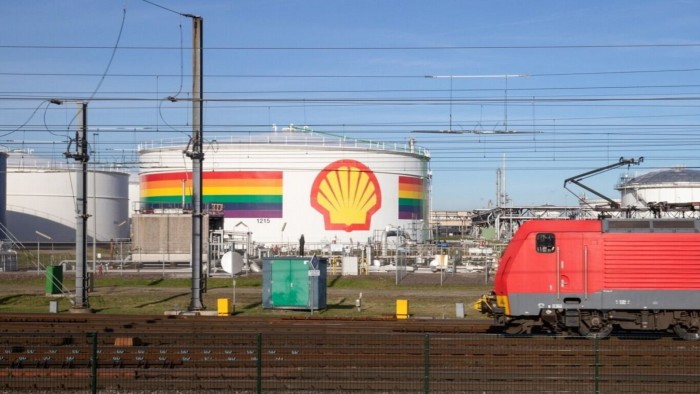
Shell has taken the lead in the $1.4 billion global carbon credits market, with oil and gas companies cutting back on spending for clean energy initiatives. As a result, they are increasingly leaning on carbon offsets to meet their climate goals, more so than any other industry.
Carbon credits are essentially a way to account for a tonne of CO₂ or other greenhouse gases that have been reduced or removed. Companies use them as an economical method to fulfill the climate commitments they made to their investors.
Last year, major UK oil firms like Shell and BP reduced their investments in clean energy. Additionally, Shell downgraded its climate targets.
The voluntary carbon market exists alongside larger, regulated trading systems like the EU’s Emissions Trading System, where companies trade permits allowing them to emit specific amounts of CO₂.
Shell is using carbon credits to help meet some of its climate goals, such as a target to reduce emissions per unit of energy sold by 15 to 20 percent by 2030 compared to levels in 2016.
For carbon credits to be effective as offsets, they must first be “retired,” ensuring that they cannot be traded again. This process allows the reduction to be counted only once.
Preliminary data from MSCI Carbon Markets indicates that Shell retired 14.9 million credits last year, which is more than double the amount retired by the next largest user, Italian energy company Eni. In fact, data from Allied Offsets shows that Shell retired nearly three times as many credits as Microsoft, which was the second largest user.
Shell stated, “We retire credits to compensate for emissions, including those related to energy usage in transportation, homes, manufacturing goods, and providing services.” The company insists that while minimizing emissions is crucial, carbon credits can help offset emissions where zero-emission alternatives are not yet available.
Outside of government oversight, the voluntary carbon markets have faced allegations of fraud, double-counting, and exploitation of local communities. Consequently, many energy companies have paused their purchases of new credits linked to green initiatives, like reforestation or carbon storage projects, according to Dirk Forrister, the CEO of the International Emissions Trading Association. However, they have been utilizing their existing stock of credits to meet their climate targets.
In contrast, tech companies such as Microsoft have actively pursued new agreements to counterbalance their emissions as they grow. Forrister noted, “Tech investment may have increased slightly, while oil and gas have scaled back.”
Despite these challenges, European oil companies—Shell, BP, TotalEnergies, Eni, and Equinor—remain committed to reaching net-zero emissions by 2050, indicating they will need to invest in carbon credits if they wish to avoid major changes in their business models.
Data shows that the fossil fuel sector accounted for over 40% of all credits used last year, which is three times more than any other industry. Shell has, cumulatively, retired the most credits of any company, primarily linked to projects that avoid potential emissions—like those protecting forests from logging. A source familiar with Shell remarked that its credits come from a wide array of diverse global projects.