

Engine No. 1, the hedge fund known for challenging ExxonMobil on climate strategies, is collaborating with Chevron to create fossil fuel plants. This partnership aims to address the increasing energy demands sparked by artificial intelligence.
On Tuesday, Engine No. 1 announced a joint venture with Chevron and partnered with GE Vernova to fast-track the development of natural gas power plants. This move comes four years after Engine No. 1’s notable proxy battle against Exxon, where the fund argued that the company was at risk by relying heavily on fossil fuels.
During the proxy fight, Engine No. 1 pointed out that Exxon had not adequately considered the potential decline in oil and gas demand, claiming it lacked a valuable plan for the transition to cleaner energy. Despite owning only a small fraction of Exxon shares, Engine No. 1 secured three board seats, signaling a significant change in corporate governance and highlighting the importance of environmental, social, and governance (ESG) issues in investing.
Chris James, the founder and chief investment officer of Engine No. 1, emphasized that this new partnership aligns with their earlier objectives for Exxon’s governance and capital allocation. He stated, “This is not a pivot. The Exxon campaign focused on governance and how to create value. This partnership with Chevron and GE is about investing in a growing economy that needs more power.”
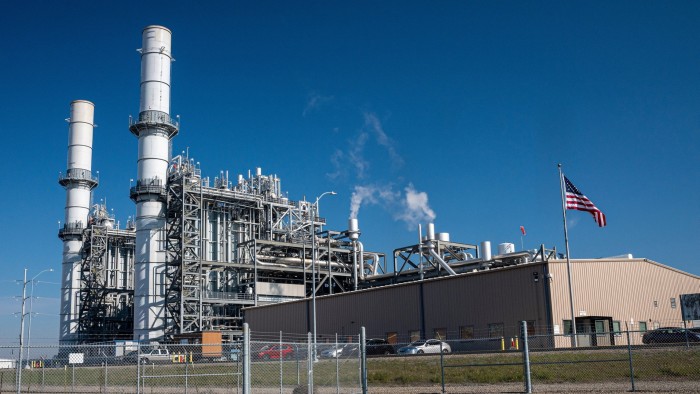
The joint effort between these companies aims to establish power plants near data centers, with the capacity to generate up to four gigawatts of electricity—enough to supply around 3.5 million homes by 2027. Analysts estimate this investment could reach as much as $8 billion, part of a broader strategy by energy firms to meet the surging demand for power linked to the expansion of AI data centers.
James noted this initiative represents the beginning of a competitive landscape driven by AI technology, particularly as the U.S. seeks to enhance its technological capabilities. He acknowledged that while China has significant power resources, the U.S. must invest in infrastructure to transform its digital economy.
This decision by Engine No. 1 comes at a time when many companies on Wall Street are stepping back from ESG initiatives, facing criticism from political leaders. James, who has experience in technology investments, mentioned that his approach has shifted since the Exxon campaign; in 2023, he committed $780 million to Brazilian miner Vale’s base metals sector.
The gas plants are expected to be designed with features that allow for future integration of carbon capture and storage, a technology still in the development phase. This joint venture also marks a pivotal move for Chevron as it starts to explore the electricity market, following Exxon’s recent announcements to develop similar gas power plants to support AI data centers.
In an industry facing significant changes and challenges, both James and Chevron’s officials believe the demand for electricity will continue to grow, driven by various factors including AI, the reshoring of American manufacturing, and a general push for a more electrified, low-carbon energy future.