

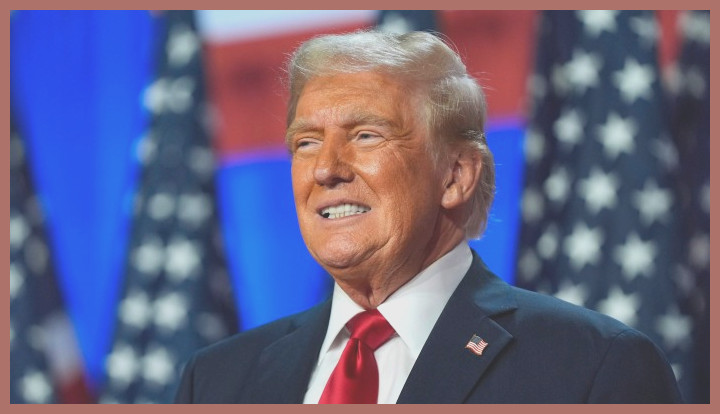
Donald Trump has announced plans to streamline regulatory approvals for significant investors, specifically those putting $1 billion or more into the United States. This initiative, set to take effect when he assumes office next month, aims to address a key concern raised by developers.
The president-elect shared his intentions on Truth Social, emphasizing his strategy to encourage domestic investments through regulatory relief rather than relying on tax incentives or subsidies, which have been the norm during President Biden’s administration.
“Any person or company investing ONE BILLION DOLLARS, OR MORE, in the US of America, will receive fully expedited approvals and permits, including all Environmental approvals. GET READY TO ROCK!!!,” Trump exclaimed on his platform.
While he did not specify which approvals would be expedited or how the $1 billion threshold would be determined, this initiative follows his campaign promise to reduce the corporate tax rate from 21% to 15% for companies investing in the US, aiming to boost domestic manufacturing.
The response was positive, with Elon Musk, a prominent tech entrepreneur and ally of Trump, praising the $1 billion permitting proposal and expressing enthusiasm for Trump’s commitment to controlling federal spending.
There is broad support for permitting reforms from both political parties in the US. Moreover, clean energy advocates back these reforms as essential for enhancing large-scale projects that facilitate a transition from fossil fuels. Simultaneously, oil and gas developers argue that current regulations hinder the construction of critical infrastructure, such as pipelines.
Trump also plans to reduce regulations that limit emissions from the oil industry to encourage more drilling, which could spark debates. Environmentalists warn that such permitting relaxation could jeopardize conservation efforts vital for preserving natural resources like clean air and water.
One concern surrounding Trump’s $1 billion threshold is that it excludes smaller projects, which may leave medium and small investments without support.
These regulatory changes come amid Trump’s broader promises that include imposing tariffs of up to 20% on imports and rolling back clean energy tax credits, potentially impacting US manufacturing and reigniting inflation in the economy.
Throughout Biden’s term, some officials have expressed concerns that regulatory challenges have hindered the rollout of industrial policies concerning infrastructure, clean energy, and semiconductor manufacturing projects. Developers involved in critical energy sector electrification have also voiced complaints about sluggish construction due to permitting rules.
Attempts to reach a bipartisan agreement to expedite permitting, led by Senator Joe Manchin and Senator John Barrasso, fell short in Congress. Earlier this year, the Biden administration introduced executive actions to speed up some regulatory approvals, yet complex environmental assessments and a mix of state and federal regulations persist.