

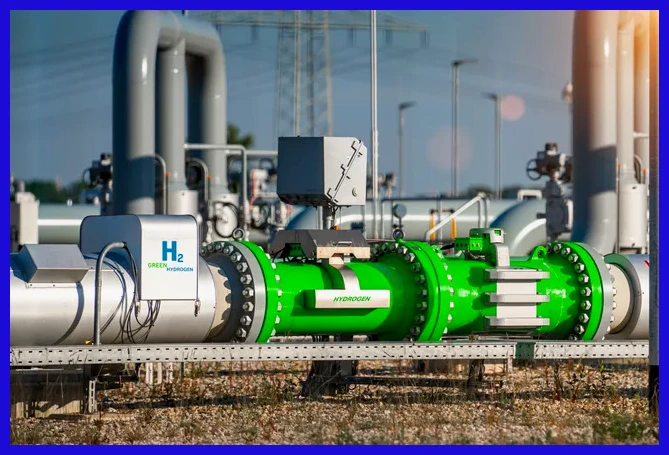
As the world faces the urgent challenge of climate change, simply slowing it down is no longer adequate. It’s imperative to shift from fossil fuels to renewable energy throughout all sectors, especially in difficult-to-decarbonize industries like steel, cement, and chemicals. These industries are poised to become the largest contributors to greenhouse gas emissions by 2035, making their transformation crucial for a sustainable future.
An ongoing discussion highlights the importance of both electricity (referred to as “electrons”) and hydrogen (called “molecules”). Framing this discussion as a choice between the two is misleading, as both are necessary and work together in pursuing decarbonization. While electricity plays a key role in many applications, hydrogen can prove more effective in industries where electrification faces significant limitations.
### Steel Production
Steel manufacturing has traditionally relied on coal-filled blast furnaces. In this process, coal converts into coke to achieve the high temperatures needed to transform iron ore into pig iron, which is a precursor for steel. This technique generates massive amounts of carbon dioxide and other harmful emissions. Utilizing hydrogen provides a radical change; it can directly react with iron ore and produce steel with water vapor as a byproduct instead of carbon dioxide, drastically cutting down greenhouse emissions.
Although Electric Arc Furnaces (EAF) powered by electricity have been considered another option for steelmaking, they are limited to recycling scrap metal and are not capable of producing steel from raw iron ore. Additionally, these furnaces require large quantities of electricity, which can become costly as energy prices rise. Conversely, the cost of hydrogen is expected to decrease over time as the use of renewable energy increases and hydrogen infrastructure improves, making it a more sustainable option for steel production.
In Sweden, the first “green steel” plant called HYBRIT is already operating and producing small amounts of steel using hydrogen. Another plant, Stegra, which aims to be Europe’s first greenfield steel mill in 50 years, is under construction. The response from the market has been overwhelmingly positive. Major automotive companies, including Daimler-Benz and BMW, are purchasing significant amounts of green steel, indicating that adopting eco-friendly practices is essential for reducing carbon emissions in their supply chains.
### Cement Production
Cement production is another sector that faces challenges with decarbonization, contributing around 8% of global CO2 emissions. This high level of emissions arises from the process of heating limestone to create lime, a vital component of cement, requiring intense heat which results in CO2 emissions.
Leading cement producer CEMEX has integrated hydrogen into its decarbonization strategy since 2019, using hydrogen in all its European plants and converting factories in Mexico to hydrogen-based processes. The company emphasizes that hydrogen serves as a low or zero-carbon resource in cement production, which helps mitigate emissions.
Currently, there are limited breakthroughs in using electricity for cement production that can match hydrogen’s efficiency. Electrifying cement kilns to reach necessary temperatures would require excessive electricity, making this approach impractical. On the other hand, hydrogen can be easily produced using renewable resources and is better suited for the thermal needs of cement production.
### Conclusion
To effectively address the climate crisis, a dual strategy is essential: electrify where feasible and turn to hydrogen in areas where electricity falls short. For vital industries like steel and cement that support modern infrastructure, hydrogen will play a pivotal role in constructing a sustainable future.