

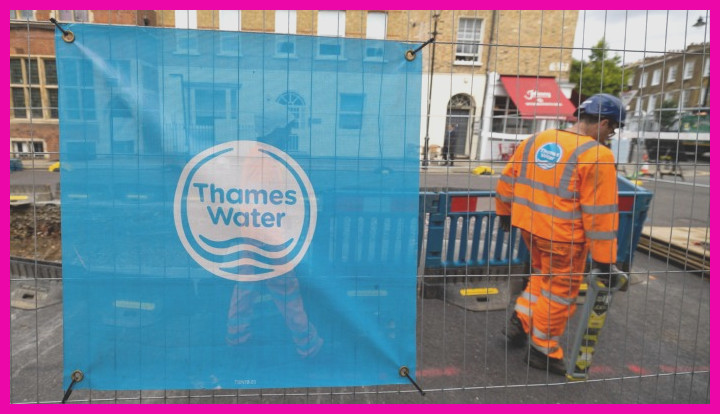
Thames Water, the largest water utility in the UK, has received a proposal from Covalis Capital. This bid aims to involve France’s Suez to help manage the potential disbanding of Thames Water before its future listing on the stock market.
This proposal comes as Thames Water grapples with nearly £19 billion in debt and faces the risk of losing cash flow in the upcoming year. Covalis, a UK-based infrastructure investor, plans to offload significant assets from Thames Water, possibly including complete regions like the Thames Valley. The goal is to eventually take the remaining parts of the company public.
The UK government would maintain a “golden share” in Thames Water, ensuring it has a seat at the board level and certain rights over the utility.
If this deal goes ahead, Covalis intends to provide around £1 billion upfront and then raise an additional £4 billion through asset sales and refinancing efforts, targeting a public listing in about two to three years.
Thames Water requires substantial investment—billions of pounds—to continue providing adequate water and sewer services to its 16 million customers in London and nearby areas. This includes £3.25 billion needed to maintain operations and improve infrastructure by 2030.
Suez, which currently operates water services in France and employs about 5,000 staff in the UK, will serve as an operating partner in this agreement but will not acquire any shares in Thames Water. Suez has confirmed its exclusive deal with Covalis, focusing on advisory support to ensure the project’s success and tackle the specific challenges facing Thames Water.
Thames Water has flagged concerns over its aging infrastructure, which presents a “risk to public safety.” Existing investors, including pension funds and international sovereign wealth funds, have deemed the company “uninvestable” and plan to exit, potentially incurring losses of around £5 billion.
Final bids must be submitted in January following the approval from the regulator Ofwat regarding how much water companies can increase their charges. Thames Water has requested a 53% increase in bills by 2030, although Covalis believes that its proposal can operate under a less favorable arrangement from Ofwat, provided that some adjustments on penalties and capital investment timelines are agreed upon.
Other bidders are also eyeing Thames Water, including CK Infrastructure Holdings from Hong Kong and Castle Water, which is partly owned by the Conservative party treasurer. Castle Water aims to take a majority stake and subsequently list Thames Water publicly.
Covalis’s bid hinges on Thames Water obtaining a £3 billion emergency loan, which would grant immediate liquidity and prevent a cash shortage in the coming year. The loan has been arranged with a group of leading creditors, including notable US hedge funds, and features an interest rate of 9.75%, rewarding current management and maturing in two and a half years. A cheaper loan alternative from lower-ranking bondholders has also been proposed, and Covalis holds some of Thames Water’s class-B bonds.
Both Covalis and Castle Water, along with Thames Water, have chosen not to comment on this ongoing situation.