

Chevron, one of America’s largest oil companies, announced it will reduce its spending on capital projects next year, marking the first cut since the oil market collapsed due to the pandemic. The company plans to set its capital expenditure budget for 2025 between $14.5 billion and $15.5 billion, down from this year’s $15.5 billion to $16.5 billion range.
This decision comes as the global oil market fears an oversupply, leading to decreased oil prices. Chevron’s new budget reflects its commitment to maintaining financial discipline, according to CEO Mike Wirth. He emphasized that the company is focusing on profitable projects and aims to increase free cash flow.
The cut in spending may impact former President Donald Trump’s vision of expanding U.S. oil production, which he promoted during his campaign. Trump claimed the U.S. is rich in oil and other resources and pledged to prioritize energy production to boost the economy and create jobs.
Analysts have pointed out that while the White House can influence oil policies, companies like Chevron ultimately make decisions based on market conditions. A sudden increase in drilling could lead to market oversaturation, especially given the current weaker prices and the demand for better returns from investors.
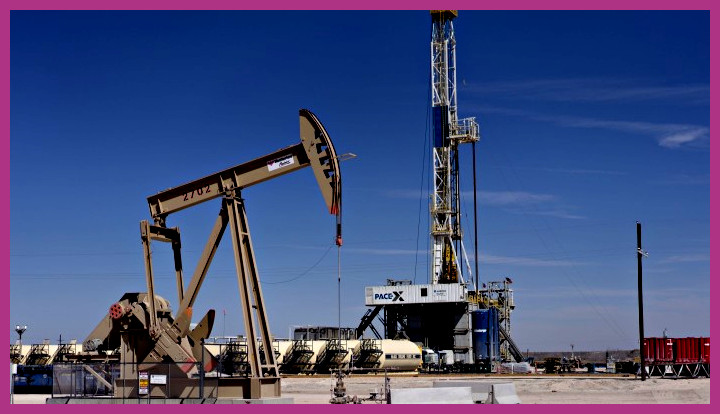
For 2025, Chevron plans to invest between $4.5 billion and $5 billion in the Permian Basin, the heart of U.S. oil production, where production growth will be subdued in favor of increasing free cash flow. The company has previously ramped up its output in this region significantly, and it aims to surpass one million barrels of oil equivalent per day next year.
Chevron also intends to expand its offshore operations in the Gulf of Mexico, recently starting production at its deep-water Anchor platform. Additionally, the company is implementing a restructuring plan that will incur charges of $700 million to $900 million in the fourth quarter, part of a broader strategy to cut up to $3 billion in costs by 2026.