

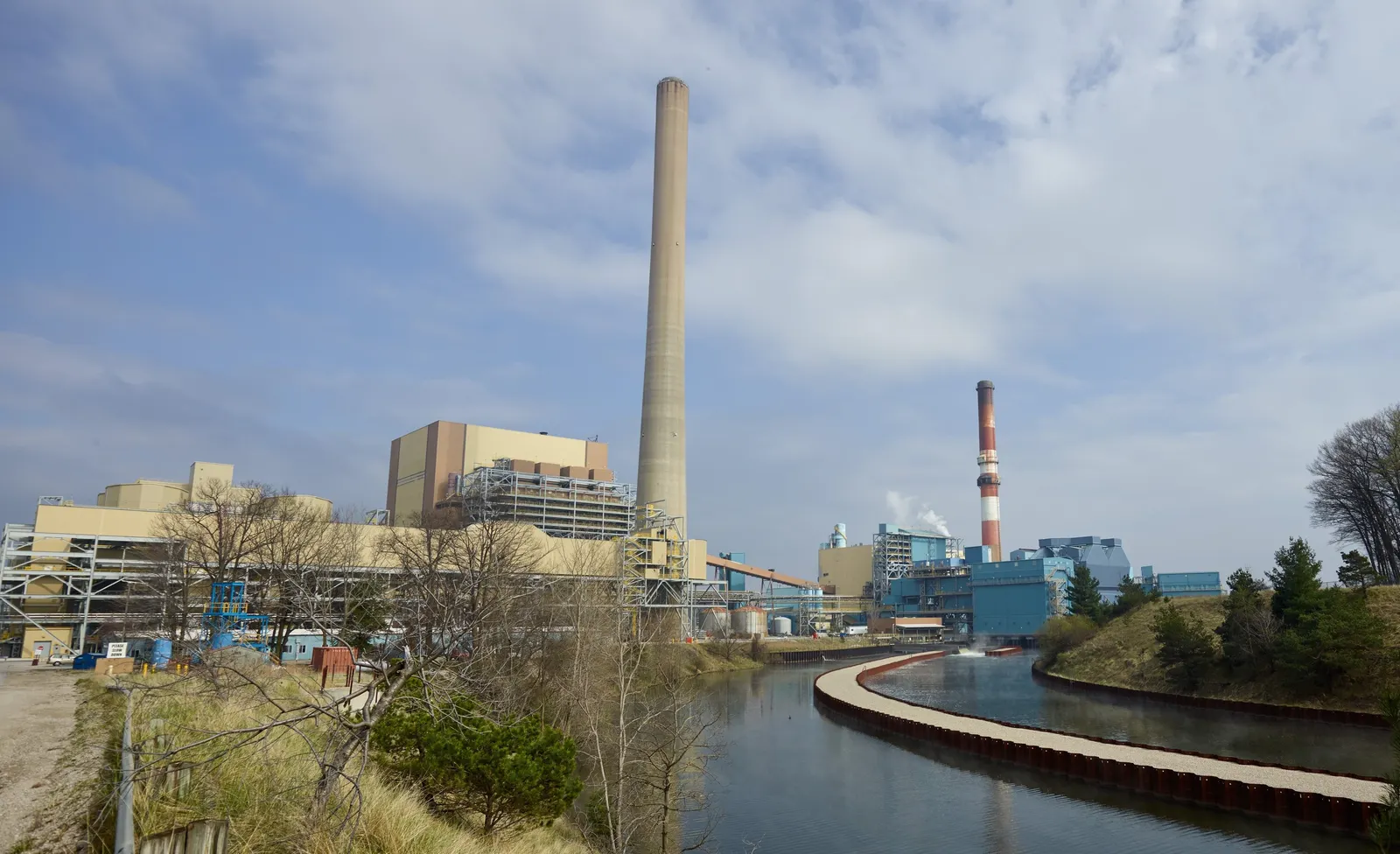
In 2025, the U.S. Department of Energy (DOE) initiated emergency measures to keep generating units at seven power plants operational, halting their planned retirements. The DOE justified these orders, citing potential future electricity shortages in certain areas and an expected increase in demand, particularly from data centers.
The department highlighted that during recent harsh weather events, like Winter Storm Fern in January, some plants successfully generated necessary power, thereby demonstrating their importance to grid stability. For instance, the R.M. Schahfer station operated at a significant capacity during this time.
The need for these emergency orders is under scrutiny, especially since reports indicate that several units are currently not in operation, raising questions about the actual reliability risks in the regions affected. Nikhil Kumar from GridLab pointed out that current assessments show little immediate risk to grid reliability.
Despite the DOE’s reasoning, experts suggest that keeping the plants operational might not be the most effective way to ensure reliability and could lead to increased costs for consumers. The estimated daily cost of maintaining these plants is approximately $1.5 million, potentially leading to significant financial burdens on ratepayers.
In addition to financial implications, continued operations of fossil fuel power plants contribute to environmental concerns. For example, emissions from the Campbell power plant have been substantial, equivalent to the carbon footprint of millions of cars.
Power plant operators have been filing for cost recovery related to these orders, which has implications for consumers across various states as they share the financial burden even if they are not directly affected by the orders.
Overall, the DOE’s emergency orders present a complex scenario of balancing immediate power needs against long-term costs and environmental impacts, prompting calls for more sustainable energy solutions.