

As electricity costs rise in the U.S., with demand on the upswing, experts are stressing the importance of flexible energy management in data centers. The Federal Energy Regulatory Commission (FERC) recently directed system operators to expand transmission capabilities for large power consumers, highlighting the immediate need for data centers to adapt their energy requirements.
Research indicates that even a small reduction—1% to 2%—in data center power use during peak times could lower electricity bills by 0.5% to 2.8% and enhance reliability. A 2026 study from Duke University showed that flexibility in energy management could expedite the interconnection of data centers to the grid.
Data centers, especially those powered by artificial intelligence (AI), are seeing a surge in energy demand. For instance, companies like Amazon Web Services and Microsoft Azure reported significant revenue growth between Q1 2025 and Q1 2026, indicating a rapidly growing need for reliable power to support operations.
According to industry experts, addressing public concerns about local electricity rates linked to data centers can be achieved through flexibility. By adapting power needs, data centers can lessen overall electricity demand, thereby reducing costs for consumers. This flexibility enables faster interconnections and offers additional benefits to overall system reliability.
The Framework of Flexibility
With projections suggesting that U.S. data centers will require 66 gigawatts (GW) of power by 2027—up from 31 GW in 2025—there’s a clear call for systems that support flexible energy consumption. Current estimates indicate that data centers might account for up to 17% of total U.S. electricity use by 2030.
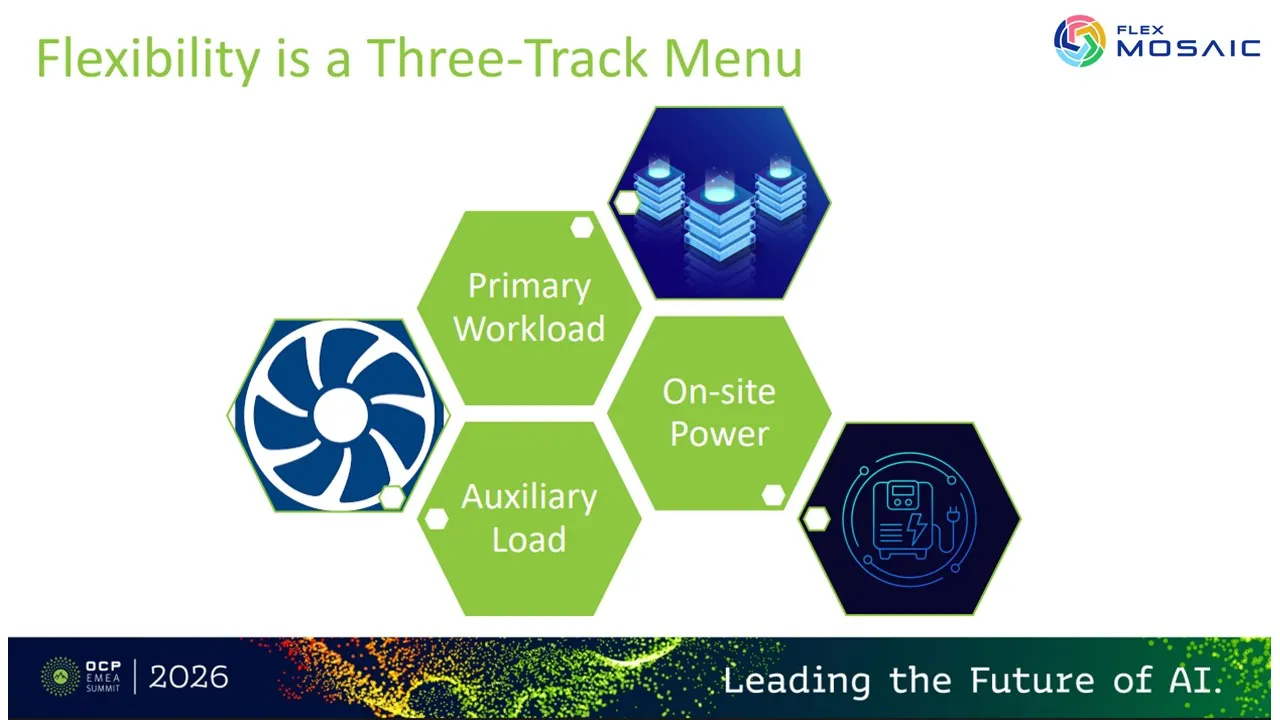
Flexibility works by allowing utilities to add large loads while maintaining reliability, which can, in turn, reduce the need for infrastructure investment that typically raises rates. There are five classes of flexibility outlined by the Electric Power Research Institute (EPRI), each addressing different energy challenges.
Innovations in Flexibility
Data centers have traditionally managed energy during emergencies, but recent frameworks like EPRI’s FlexMosaic demonstrate that they can now be designed with flexibility as a core aspect of operations. Current research shows that AI workloads in data centers can provide a substantial flexibility range while still meeting performance standards.
Emerald AI has emerged as a vital tool in managing this flexibility, using software that allows utilities to communicate with data centers and adjust energy consumption effectively. Such systems can lower energy loads during peak demand without compromising service quality.
From monitoring real-time energy loads to allowing controlled load reduction, the innovative approaches being developed can significantly enhance the reliability and affordability of service. Trials have shown flexibility of up to 40%, suggesting that future AI infrastructures could build on this success.
Moving Toward Common Agreements
As flexibility becomes increasingly vital, establishing standardized agreements between utilities and data centers is essential. Clear communication and defined operational parameters will enable smoother collaborations, allowing for swift load adjustments when necessary.
This evolving environment highlights the importance of cooperation between data centers and utility companies. Both sides recognize that maintaining control while still meeting consumer needs is critical for future success.
In conclusion, flexibility in data centers not only enhances their operational efficiency but also plays a significant role in the broader context of power management. As electricity demands continue to rise, these innovations will be pivotal in ensuring reliable access to power in a rapidly changing energy landscape.