

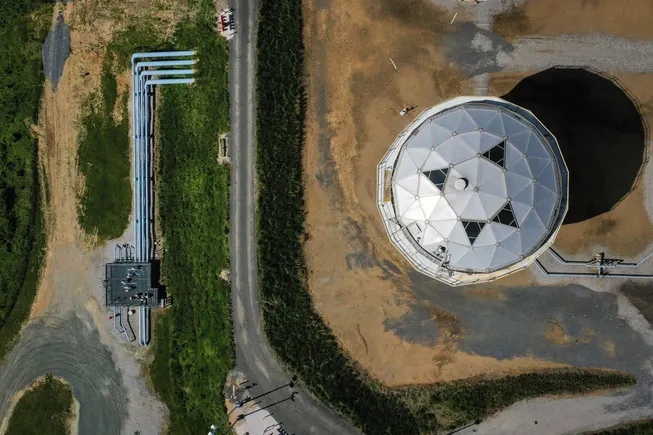
Affordability is a pressing issue for many American families and businesses today. As our economy evolves, ensuring that energy remains affordable is crucial for everyone involved, including lawmakers, regulators, and utility companies. This effort is especially important as we look to enhance infrastructure to support the growth of manufacturing and the rise of new technologies like artificial intelligence.
Our energy system plays a vital role in meeting increasing demand without raising costs, which is essential for both families and businesses. Although the energy sector contributes just 5% to the U.S. economy, it underpins the remaining 95%. When energy is affordable, it translates into lower utility bills, cheaper products, and an overall stronger economy.
Natural gas utilities are tirelessly working to meet customer demand, offering reliable and cost-effective energy to new manufacturing plants and data centers. Since 2006, natural gas consumption in the U.S. has increased by nearly 50%, with prices significantly lower today thanks to advances in production. With over a century of domestic supply, the natural gas industry is well-positioned to grow while keeping costs low and focusing on sustainability.
To continue on this path, it’s important to rapidly increase our energy infrastructure to accommodate rising demand. Just in 2025, utilities will add 20,000 miles of new distribution lines, serving new customers every minute. However, federal and state policies often hinder the timely construction of essential infrastructure like pipelines and storage facilities, which can drive up costs.
For the U.S. economy to expand while maintaining affordability for families and businesses, regulators must use all available tools to streamline the permitting of new energy projects. It’s essential not only to prevent cost increases for existing customers but also to ensure that residential consumers gain from these developments.
The National Association of Regulatory Utility Commissioners has been working on proposals for improving the permitting process for energy infrastructure, particularly for interstate natural gas pipelines. These recommendations call for a clearer, more efficient review process that ensures reliable and affordable energy for consumers without unnecessary delays or costs.
As new industrial and commercial ventures emerge, public utility commissions are vital in safeguarding current residents. They carefully evaluate and approve the rates for new infrastructure before construction begins, ensuring that the costs for new facilities are appropriately assigned to those generating demand, protecting communities from unexpected financial burdens.
The aim is to encourage investment and job creation without placing the financial burden on local families. Thoughtful rate-setting allows for growth while prioritizing customer needs.
As demand for energy increases, it can enhance our energy system’s economics when planned well. Existing commercial customers gain from improved infrastructure and greater supply options, which can keep costs lower for everyone.
Large industrial customers can serve as catalysts for extending necessary pipelines, ultimately benefiting smaller businesses and neighborhoods with affordable access to natural gas.
However, our current permitting system can significantly delay energy projects, adding as much as ten years to timelines due to cumbersome reviews and legal challenges. For instance, the Mountain Valley pipeline, essential for transporting gas from West Virginia to the East Coast, took nearly a decade and required Congressional action to complete—far from an ideal permitting process.
It is crucial for both state and federal leaders to act swiftly to ease these regulatory hurdles, promoting the development of the energy sector. Together, we can ensure a brighter future for American families, reduce costs for households, and lay the groundwork for a robust economy.