

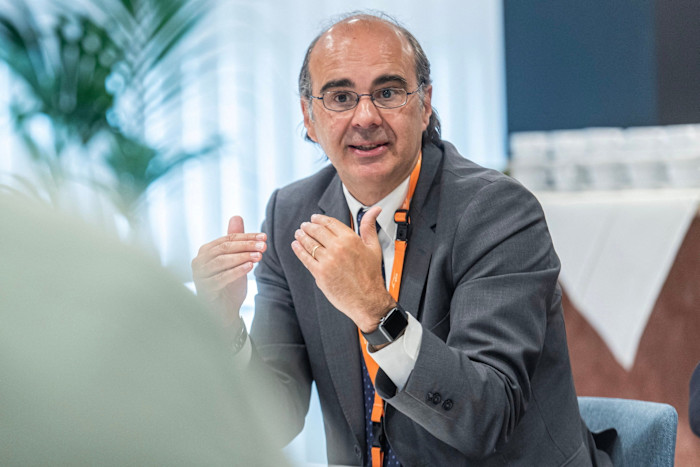
The head of one of Europe’s biggest grid operators has raised concerns about numerous unprepared projects delaying essential energy grid connections. Bernard Gustin, CEO of Elia Group, a company that manages the Belgian and parts of the German grid, suggested that network operators should prioritize connections for projects that are ready to go instead of those who apply first.
“In Belgium, we have many more projects than needed until 2030,” he stated, specifically mentioning battery storage projects. By shifting the selection process from “first come, first served” to “first ready, first served,” operators can focus on serious projects that are fully prepared.
Grid connections have become a significant challenge across Europe. As more factories and homes adopt wind and solar energy, the demand for grid access is rising sharply. This surge in demand is compounded by numerous applications from data centers seeking access to energy.
In some regions, like the Netherlands, the wait for grid connections can extend beyond seven years. Meanwhile, in Slovakia, about half of the capacity reserved for new connections remains unused. A report from Elia Group revealed that Germany has double the number of battery storage connection requests compared to what its grid development plan can accommodate.
The rapid expansion of renewable energy in the EU is outstripping the necessary infrastructure, as countries strive to meet renewable energy targets and reduce reliance on imported fossil fuels. The European Commission estimates that €1.2 trillion will need to be invested in the EU’s grids by 2040 to facilitate this transition.
Gustin mentioned the competition among grid operators for funding to develop and upgrade networks that can handle the fluctuation of renewable energy sources. After years of limited investment, he noted, “we all have huge capital expenditure plans that need to be financed, which presents a challenge.”
The costs associated with grid congestion are escalating, leading to higher electricity prices as cheaper renewable sources struggle to reach consumers. The EU energy regulator, Acer, reported that these costs reached €5.2 billion in 2022 and could rise to €26 billion by 2030.
In a recent document, Brussels proposed prioritizing grid connections and indicated a shift towards more centralized energy infrastructure planning to expedite construction and evenly distribute costs among EU nations.
EU Energy Commissioner Dan Jørgensen emphasized the financial losses from grid constraints, stating that Europe is losing billions each year due to curtailments and bottlenecks. The Elia Group also found that installing the first 100 GW of batteries in Europe could help reduce the curtailment of renewable energy by 13%, thereby making more power available.
Elia Group has earmarked €31.6 billion for grid improvements through 2028, with approximately one-third allocated to Belgium and the rest to its German operations. Gustin estimated that meeting the connection demands from batteries, data centers, and renewable energy projects could require an additional €10 billion.
He expressed concern about rising energy tariffs, stating, “We have to find a way to ensure returns on the investments we need to make while keeping energy competitive.”
Gustin, who previously led Brussels Airlines, successfully raised €2.2 billion in capital this year from investors, including BlackRock and the Canadian Pension Plan.
Delays in obtaining permits for infrastructure projects often deter investors, with timelines in Belgium reaching up to eight years. Gustin mentioned that by the time projects are approved, costs may have increased, prompting some investors to withdraw.
New EU legislation aims to streamline the permitting process, setting specific timelines for decisions and designating energy projects as having overriding interest.