

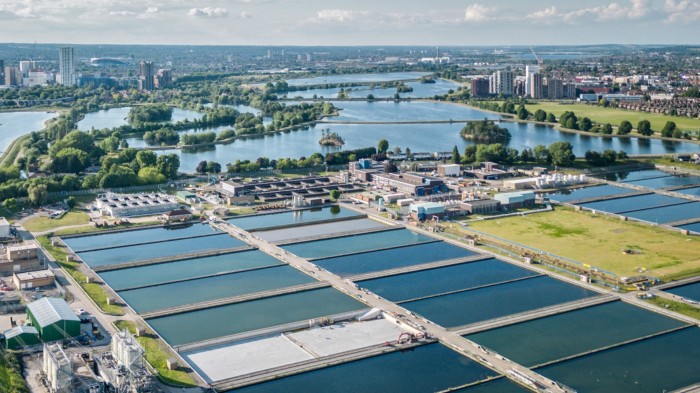
Living in east London has its perks, but recent news about potential water shortages is concerning. Thames Water’s Coppermills treatment plant, crucial for water supply, is facing significant operational issues, with leaks affecting its electrical systems.
The situation raises worries for Thames Water customers as the company struggles financially. Years of neglect have led to systemic problems, including sewage spills and environmental risks. Now, hedge funds, such as Elliott Management, are looking to influence a restructuring plan after purchasing Thames Water’s debt at low prices. These creditors, who hold a substantial part of the company’s £20 billion debt, are pushing hard to have their plan approved.
While hedge funds can play a positive role in finance, many residents wouldn’t want them overseeing something as vital as their water supply. A privatized utility, especially one that requires heavy investment in infrastructure, benefits more from stable, long-term investors who prioritize consistent returns over quick profits.
The pressing issue is the impending financial breakdown of Thames Water, with creditors becoming the only interested bidders. After initially selecting KKR for a takeover, Thames Water lost that opportunity as KKR withdrew amid public backlash.
CK Infrastructure, a company from Hong Kong that also owns Northumbrian Water, is now calling for the government to step in and allow other potential buyers to enter the bidding process. However, the government seems reluctant to get involved, focusing on other financial issues.
Currently, the biggest obstacle for the creditors is obtaining approval from the industry regulator, Ofwat, which is also in a precarious state following the resignation of its chief executive and plans for potential abolition.
For the creditors’ plan to succeed, they must demonstrate they can effectively manage Thames Water and restore it to stability. They’ve proposed to write down some debt and infuse £3 billion of new equity but have yet to disclose a comprehensive management strategy.
Critics, including Professor Dieter Helm from Oxford University, argue the creditors’ proposal lacks sustainability. He suggests that appointing a special administrator could open the floor for more competitive offers.
Interest from potential investors is tangible; CKI and Castle Water have shown intent to improve the situation. Castle Water, for instance, is eager to contribute an extra £1 billion to enhance management efforts while writing off additional debts.
As the crisis persists, the urgency increases. The longer it lasts, the more challenges Thames Water faces, and the regulatory body must work towards securing a better deal for all parties involved. The road ahead is surely complicated, but clarity and responsible management are essential for the future of Thames Water.