

The conversation around nuclear energy is gaining momentum, with increasing interest in its potential. Last year, nuclear reactors produced record amounts of electricity, surpassing previous records set in 2006.
As the demand for energy rises, there is a push to expand nuclear energy capacity. To increase global nuclear capacity threefold by 2050, investments must reach between $150 billion and $250 billion annually.
The last major expansion of nuclear energy occurred following the oil crisis in 1973, with countries like Sweden, Finland, and France leading the way. However, the landscape for new nuclear projects has shifted significantly over the last fifty years. Many governments are hesitant due to tight budgets, and large nuclear initiatives are often deemed “unbuildable.” This mindset needs to change.
The primary challenge remains financing. The costs associated with nuclear projects cannot be justified solely on policy or environmental grounds. Without a solid business case, private investors are unlikely to commit funds, and taxpayers might question the value of public investment.
To attract more investors and facilitate capital flow, the nuclear sector needs to be demystified. Nuclear facilities are not inherently more complex to finance than other major infrastructure projects. Although the initial investment is substantial, these plants are designed to operate for at least 60 years, providing long-term financial returns.
Evidence from Canada indicates that the capital costs of operating a nuclear reactor over its lifespan are generally lower than those of other clean energy sources. Furthermore, reliable nuclear energy can help maintain a stable grid, making overall system costs more manageable.
However, due to the high upfront costs, collaborations are essential. Developing nuclear energy as a viable investment opportunity necessitates a balanced risk-reward structure among governments, investors, and lenders.
Several financial models have proven effective. For example, Finland’s Mankala model uses cooperative financing, while the US Vogtle units combined private and government funding.
In cases where governments can’t assist, international lending organizations can provide support. The World Bank’s recent decision to lift its ban on funding nuclear projects signals a positive shift in the investment landscape.
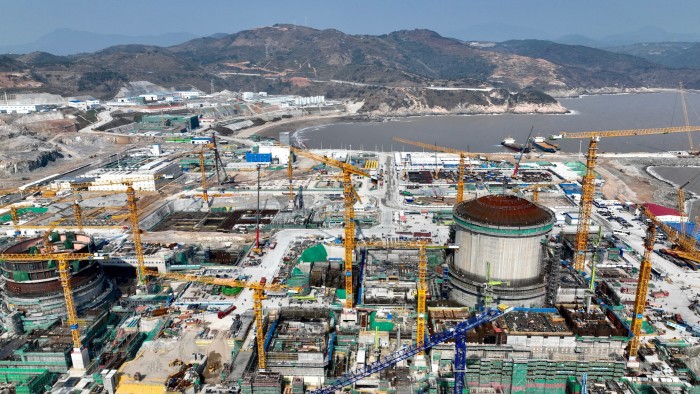
Currently, 71 reactors are under construction globally, with significant progress seen in various regions. For instance, Asia has doubled its nuclear capacity in the past decade, and the UAE has incorporated nuclear energy into 23% of its power mix in just 15 years. Russia has also pioneered floating nuclear power plants, demonstrating the feasibility of such projects.
Despite advancements in some countries, a decline in investments elsewhere has weakened the nuclear industry’s infrastructure. Nations like Canada, China, South Korea, and the UAE have maintained or increased nuclear investments, while others have cut back, leading to a diminished workforce in banking, legal, and technical fields.
Today, a favorable set of conditions makes a compelling case for nuclear energy, similar to the circumstances of 50 years ago. At recent international forums, more countries and organizations have committed to increasing nuclear capacity by 2050. However, it’s crucial for nuclear energy to demonstrate its ability to succeed not just in engineering but also in economics.