

Global advertising giant Interpublic Group (IPG) appears to have strayed from its commitment to avoid fossil fuel promotions. This comes to light after the company proposed a campaign for Saudi Aramco and renewed contracts with oil and gas companies.
In 2022, IPG had pledged to move away from fossil fuels, but a shift in its policy allowed it to continue working with firms like ExxonMobil and Qatar Energy. Two advertising professionals, who wished to remain anonymous, expressed concerns that the recent work for Aramco violated earlier guidelines.
One former employee, frustrated with IPG’s approach, suggested that promoting fossil fuel companies was meant to enhance their “social license to operate.” A current staff member noted that the wording of IPG’s policies was crafted to maintain contracts with existing fossil fuel clients.
Last year, IPG changed its policies to state that its prohibition on lobbying for fossil fuel expansion would apply only to associations, while still promising to review new clients based on their climate strategies. Since then, IPG has signed on to work with Qatar Energy and Esso, a brand under ExxonMobil.
IPG neglected to respond to requests for comment. Previously, the company had stated it would decline business on climate-related grounds.
In recent years, major advertisers have faced increasing pressure from employees and civil society to reevaluate ties with the fossil fuel industry. UN Secretary-General António Guterres had called for a complete ban on fossil fuel advertising last June.
The trend of wavering commitments to climate-friendly policies has been noted, especially after the re-election of US President Trump, who has promoted a “drill, baby, drill” approach.
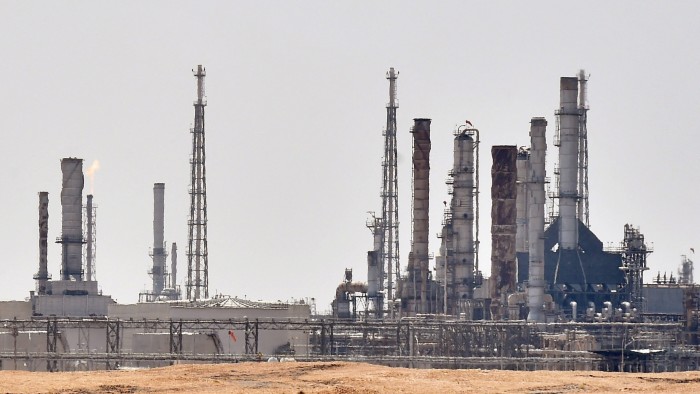
Despite its earlier commitment to question polluting clients about their climate actions in 2022, IPG soon found itself working on shaping Aramco’s image to adapt to future energy needs. Internal documents revealed that IPG’s McCann agency aimed to help Aramco transition its brand from a single oil-focused identity to a broader range of sub-brands.
The documents indicated that IPG was looking to bolster Aramco’s credibility among stakeholders and secure its operational license in a changing energy landscape.
While Aramco has diversified into sectors like petrochemicals and renewable energy, its capital investments still heavily favor fossil fuels, with plans for over $52 billion in investments this year alone.
Additionally, IPG has a broader relationship with Saudi Arabia, including work on the ambitious Neom project. Requests for comment from both Aramco and Exxon were declined, while Qatar Energy did not respond.
Additional reporting by Malcolm Moore.