

Key Findings:
- If the 3.5 gigawatts (GW) of offshore wind energy projects contracted for New England had been active last winter, they could have saved ratepayers approximately $400 million on energy bills by offsetting rising natural gas prices, a report from Daymark Energy Advisors shows.
- The findings indicate that the savings from power purchase agreements would yield monthly bill reductions of between $1.32 and $2.68 for an average residential customer of Eversource Energy.
- RENEW Northeast, which commissioned the report, noted that ISO New England’s recent data showed natural gas prices this spring averaged $3.40 per million British thermal units (MMBtu), a significant increase from the $1.60/MMBtu average just a year prior.
Key Insights:
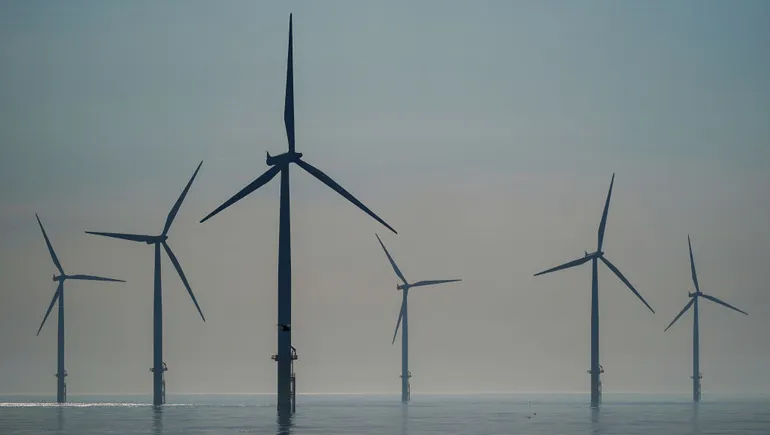
The report discusses how the implementation of 3.5 GW of offshore wind power could impact regional markets and the energy bills of Massachusetts residents if these projects had been producing electricity between December 2024 and February 2025.
According to the report, even cautious estimates show that more offshore wind capacity could have cut costs in the Forward Capacity Auction by at least $128 million, with the majority of those savings benefiting Massachusetts.
Additionally, the research found that introducing low-cost offshore wind energy could have lowered wholesale energy costs in New England by about 11%, translating into around $400 million in savings across the region, of which approximately $129 million would go to electric companies in Massachusetts.
Last winter was notably cold, the first below-normal season since 2014, leading to higher demand and consequently increased natural gas prices.
Notably, there have been calls from leaders, including President Trump and local politicians, for the construction of new natural gas pipelines to help alleviate energy costs, although efforts have faced delays due to regulatory issues.
While some leaders, like New Hampshire’s Kelly Ayotte, have expressed skepticism about offshore wind development, Connecticut’s Gov. Ned Lamont has criticized delays from the Trump administration concerning a significant offshore wind project. He also expressed intentions to negotiate with authorities to keep it progressing.
Furthermore, government officials noted that the expansion of emission-free offshore wind energy could reduce reliance on fossil fuels, potentially decreasing carbon emissions by 1.8 million tons, comparable to removing nearly 400,000 cars from the roads for a year.