

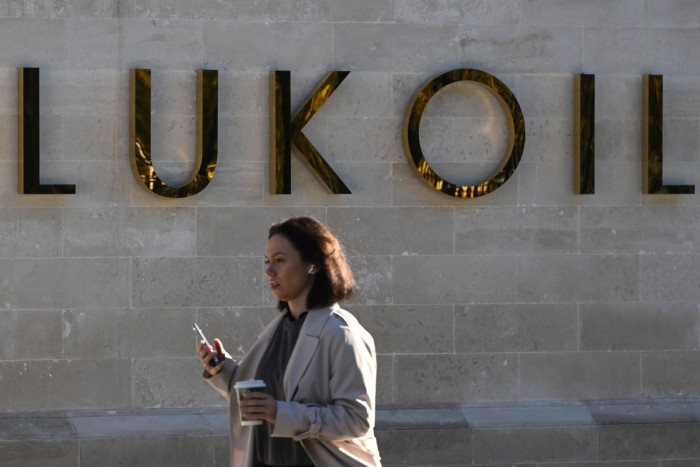
Italy’s largest oil refinery is currently facing significant challenges, following its sale by Lukoil, a Russian company, after European Union sanctions blocked access to Russian oil. The new majority stakeholder, Greek billionaire George Economou, alongside the global commodities trader Trafigura, are reportedly at odds over the terms of their crude supply agreement.
In 2023, GOI Energy purchased the ISAB facility located in Priolo, Sicily, with the backing of Trafigura. The transaction was facilitated by Beny Steinmetz, a notable mining billionaire. While the Italian government approved the sale, it has remained somewhat opaque regarding the identity of the investors involved.
Documents reveal that Economou is the largest investor in the Argus fund steering GOI, with prior ties to TMS Tankers, a major transporter of Russian oil after the recent escalation of conflict in Ukraine.
GOI and Trafigura successfully outbid competitors Vitol and Crossbridge Energy Partners for the refinery, even amidst U.S. governmental concerns. However, tensions have arisen between Economou and Trafigura, primarily focused on the profitability of the supply agreement, which Economou claims is skewed in favor of Trafigura and causing financial strain on the refinery. In contrast, Trafigura contends that the facility requires further investments to enhance its operations.
Rising operational costs prompted by gas prices and carbon taxes are pressuring profit margins, leaving many refineries struggling to remain viable. This internal conflict could jeopardize the future of the ISAB facility, which accounts for 20% of Italy’s refining capacity and sustains approximately 1,000 direct jobs and another 8,500 in associated sectors.
Criticism has emerged toward the Italian government regarding its decision to sell to GOI, as many believe investors lacked the required experience in refinery management. Industry experts suggest that the financial stability of buyers is crucial for such capital-heavy businesses, indicating that alternative choices might have been more prudent for the Italian authorities.
Under the sale conditions, GOI acquired the refinery, while Trafigura agreed to inject working capital into its operations and paid an initial €30 million to manage crude supply and sale of refined products over a decade. Trafigura emphasized that their agreements with ISAB are standard and within a market-based framework, acknowledging the pressing need for performance upgrades and investments for the plant to thrive.
As of this year, ISAB has filed for a restructuring with Sicilian authorities to navigate its financial difficulties. Economou’s aim is to renegotiate or rescind the existing contract with Trafigura, yet potential buyers are wary, primarily due to the contentious supply agreement.
At the time of the deal, Economou was represented to the Italian government as the key owner of a Cypriot entity controlling a significant stake in the Argus Fund. Over time, he escalated his control of GOI after converting a loan into equity to repay debts, now holding 99% of the company’s shares.
The acquisition of the ISAB plant cost around €180 million, far exceeding the offers from rivals. The Italian government, utilizing authority given by golden power regulations to scrutinize strategic asset transactions, was initially reassured by Trafigura’s involvement and promises about job retention and production maintenance by GOI.