

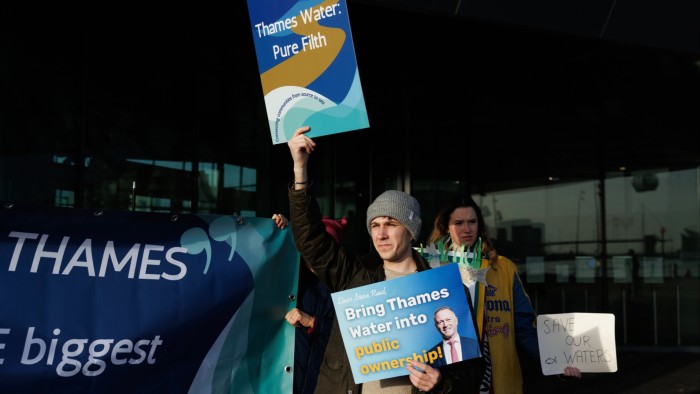
Thames Water has faced a challenging week with many residents in South London experiencing water shortages due to a burst pipe. Additionally, reports indicate that many of the utility’s sewage plants are not equipped to handle the amount of wastewater produced, resulting in untreated waste being discharged into rivers.
In light of its significant debt, Thames Water has sought approval for further rate increases beyond the 35% hike that the regulator, Ofwat, has already permitted by 2030. The company is currently embroiled in legal disputes regarding a proposed £3 billion financial bailout designed to alleviate its monetary issues. Some are arguing for a temporary takeover by the government to restructure its debts for the public’s benefit.
Thames Water serves around a quarter of the UK population and has become a symbol of the challenges stemming from the privatization of water services in England. Initially launched without debt in 1989, the company has seen its finances compromised over the years as financial investors have strained its resources to enhance profits.
Regulation has focused on consumer pricing rather than addressing the complicated corporate frameworks behind the scenes. Since the rise in interest on its substantial £16 billion debt, which has now ballooned to nearly £19 billion, the company has begun experiencing serious financial difficulties.
A High Court judge is currently reviewing a restructuring strategy that involves a £3 billion loan from top bondholders, including notable US hedge funds. With the loan carrying a hefty 9.75% interest rate, it is intended to serve as a temporary solution while the company seeks new investments and renegotiates existing debts. The judge will soon announce whether the restructuring plan complies with legal standards, as Thames Water warns that it may face insolvency by the end of March if the plan is rejected.
Even if the bailout goes through, uncertainties remain about attracting new investors. Concerns have been raised regarding the utility’s total interest expenses, which could soar to between £800 million and £900 million next year, alongside significant legal costs associated with restructuring. A political representative for environmental groups expressed concern that a significant portion of customer bills is already being allocated to debt servicing.
There is a compelling argument for administration, in the interest of the public and Thames Water’s 16 million customers. This process could allow creditors to absorb some losses while restructuring the company for future stability. Management could thus focus on improving operations, ultimately aiming to reinstate Thames as a privately-operated company with a solid foundation.
While some critics argue that this approach may impose costs on the government, it could also halt debt interest, making room for infrastructure investments. Both Conservative and Labour administrations have shown concern that imposing losses on international investors might hinder future investments in essential projects. Nevertheless, restructuring through an insolvency process is a typical part of the business cycle that can preserve valuable assets for future success. This may be the most effective way to resolve the ongoing issues within Thames Water and ensure a more sustainable operation moving forward.