

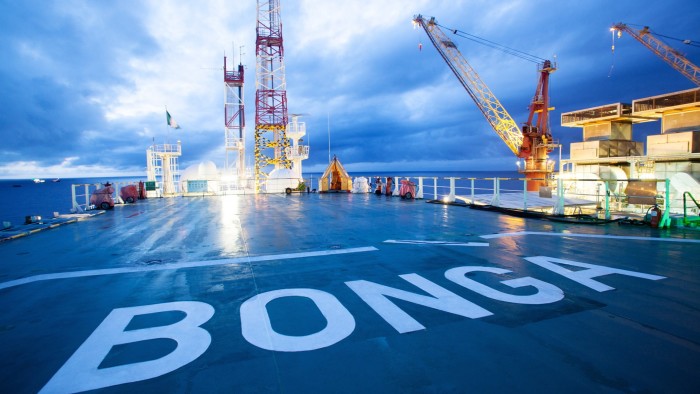
Shell has recently linked the approval of selling its controversial assets in the Niger Delta to attracting new investments off Nigeria’s coast. According to insiders, the company announced a significant decision to invest approximately $5 billion in the Bonga North project, situated 130 kilometers offshore. This investment comes as a boost for President Bola Tinubu’s campaign to secure vital capital for Nigeria’s economy.
Just days after this announcement, Shell revealed that its sale of $1.3 billion worth of onshore oil assets to local consortium Renaissance Africa Energy received approval from Nigeria’s petroleum ministry, a development that took 11 months following its initial announcement.
This change is notable, especially since the deal had previously faced rejection from Nigerian regulators in August and met with various hurdles, including concerns around addressing decades of environmental damage. Conversations among Shell, the Nigerian government, and President Tinubu focused on Shell’s desire to maintain investment in Nigeria’s oil sector and commit to deep-water oil and liquefied natural gas projects.
At the same time, Shell expressed a clear need to divest from its onshore assets, which have been plagued by ecological damage from oil spills and ongoing conflicts with local communities in the Niger Delta. The Nigerian government aimed to reassure Shell that its exit would be facilitated, as they sought renewed investment in the sector.
One insider noted that while Shell’s sale of its problematic onshore assets was essential, the discussions revolved around broader investment opportunities in Nigeria, highlighting the company’s interest in being a part of that larger context.
Renaissance, primarily a local consortium, is set to acquire Shell’s onshore oil production unit, the Shell Petroleum Development Company of Nigeria (SPDC). This unit is central to Nigeria’s oil production, accounting for about 30% of the country’s oil and gas output, with Shell holding a 30% stake in a joint venture also involving the state-owned Nigerian National Petroleum Company, TotalEnergies, and Agip.
Concerns previously raised by Nigerian regulators regarding Renaissance’s financial capabilities and its capacity to handle environmental clean-up responsibilities still linger, and it remains uncertain if these issues have been addressed satisfactorily.
In a recent communication to Shell, the Nigerian oil industry regulator indicated that previous attempts by Shell to secure approval hadn’t provided new information or reasons for changing the prior rejection.
This week, a coalition of civil society groups sent an open letter urging President Tinubu, who also serves as the senior petroleum minister, to reject the divestment deal. They argue that allowing the deal to go through would endanger the interests of local Niger Delta communities and the environmental stability of the region for generations.
Shell has been involved in numerous lawsuits concerning oil spills that have polluted waterways and devastated farming lands. In a notable incident in 2008, a major pipeline rupture led to the release of almost 600,000 barrels of crude oil into rivers and agricultural areas, resulting in over $80 million in compensation payments to affected residents.