

Customers in the UK are set to face a significant increase in their water bills, with average costs expected to rise 36% by 2030. This decision comes after Ofwat, the water regulator, permitted utilities in England and Wales to increase their prices.
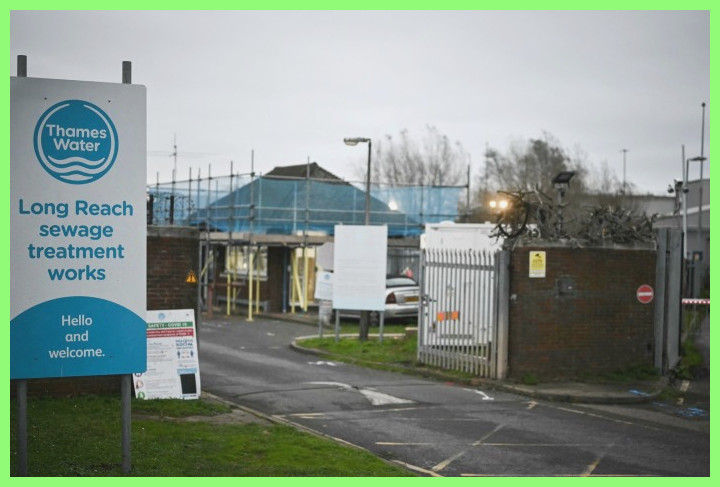
The news, which was announced on Thursday, has sparked widespread frustration among the public and attracted political criticism aimed at water companies over issues like pollution and poor service delivery. Thames Water, being the largest water company in the UK, is particularly under pressure as it struggles financially and faces the possibility of temporary renationalization.
Ofwat has also faced backlash from both water companies and advocacy groups. Some companies claim that the regulator’s actions may deter investors, while campaigners argue that Ofwat has not held utilities accountable for their shortcomings.
The Labour government is now considering a comprehensive review of the water industry, which may lead to reforms of the regulatory structure or even a complete overhaul of Ofwat.
Despite the planned bill increases—set against a backdrop of inflation—these hikes are lower than what some struggling companies, like Thames Water, requested. Thames Water had sought an increase of 53%, but was limited to a 35% hike, pushing average annual bills from £436 to £588 by 2030.
In addition to the price increase, the utility firm will face an £18 million fine from Ofwat for making improper dividend payments. Thames Water, which services 16 million customers in London and surrounding areas, is also attempting to secure an emergency £3 billion loan from its lenders while searching for new investors.
Other companies, like Southern Water, also faced restrictions. They proposed an 83% increase but were only permitted a 53% rise. Following recent challenges, including a loss of water supply for 58,000 households, Southern Water’s CEO acknowledged the difficulties of raising prices for customers.
While some water companies expressed their approval of Ofwat’s recent decisions, others, like Anglian Water and South West Water, were more supportive of the proposed changes. A spokesperson for Water UK mentioned a much-needed increase in investment for aging infrastructure.
The current situation places the Labour government in a difficult position, as they have approved notable increases in water bills amidst growing public concern regarding the state of the UK’s waterways. Environment Secretary Steve Reed highlighted people’s justified anger and criticized the previous Conservative government for allowing funds to be diverted to executive bonuses instead of being invested in services.
Reed has initiated an independent commission to evaluate the water sector and its regulations, led by a former Bank of England deputy governor. Renegotiating or even abolishing Ofwat is not off the table for the government.
Public unrest stems from anger over polluted waterways and substantial dividends paid to shareholders, which have birthed numerous advocacy groups across Britain. Activists like Matthew Topham from We Own It criticized water companies for benefiting from substantial bill hikes while neglecting their responsibilities.
Feargal Sharkey, a well-known water campaigner, also condemned Ofwat for neglecting its regulatory duties, claiming it has allowed the water sector to essentially exploit consumers and harm the environment.
In the financial markets, reactions have varied. While shares for well-performing water utilities like Severn Trent and United Utilities received a positive response, Thames Water’s financial outlook remains grim as it struggles with mounting debts and emergency financing.
The situation in the water sector calls for critical attention and raises questions about the effectiveness of current regulations and the ability of water companies to provide reliable services to the public.