

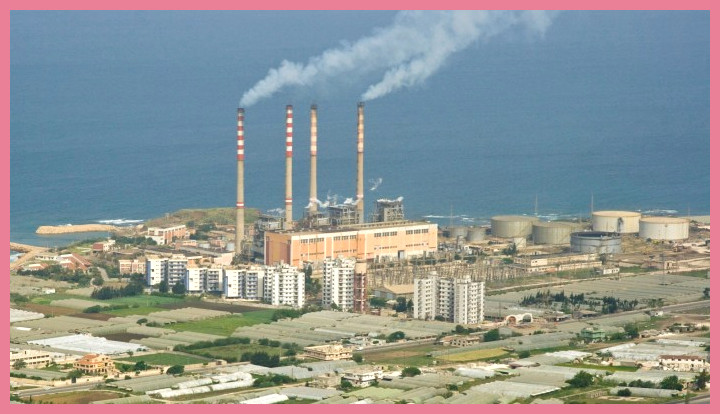
Syria’s largest oil refinery, the Baniyas facility, has stopped its operations due to a lack of crude oil imports from Iran, which previously provided about 90% of its supply. The refinery, which typically processes between 90,000 and 100,000 barrels of oil each day, last produced petrol on Friday, according to general manager Ibrahim Mousallem.
Currently, the refinery is performing only minor maintenance as it awaits new supplies of crude oil. Mousallem mentioned that the new leaders of Syria, from the Salvation Government in the northwest, are hopeful for the lifting of sanctions that would allow the country to source oil from other countries and acquire necessary equipment parts.
He reassured that there is sufficient fuel stored at the moment and that the situation remains stable. The new interim government, established by Hayat Tahrir al-Sham (HTS)—a group classified as a terrorist organization by the US and others—has been engaging with western governments despite existing sanctions against Syria.
The acute oil shortage poses significant challenges for the interim government as it tries to maintain essential services and revive the country’s devastated economy. U.S. Secretary of State Antony Blinken highlighted the need to address fuel shortages to ensure basic daily activities can resume.
Historically, Iran has supported the Syrian military and economy, providing loans for oil purchases and circumventing U.S. sanctions. Now, however, the new leadership must find alternative sources for oil and gas, especially with winter approaching. The country has one other smaller refinery located in Homs.
Under the former regime, Syria relied heavily on Iranian imports for its oil supply, with only a small fraction coming from local fields. As the new government explores avenues for importing both crude oil and its derivatives, petrol stations were previously instructed to deplete their reserves temporarily, though those reserves have since been replenished.
Syria is struggling with severe electricity shortages, primarily due to insufficient fuel for power plants, except in Idlib, where power is supplied by Turkey. An official noted that power lines from Turkey are being expanded to Aleppo.
The Baniyas refinery has been adding to its oil reserves since 2020 in preparation for necessary maintenance that would temporarily halt operations. Mousallem noted ongoing challenges at the facility, including outdated equipment and damage from a 2022 earthquake, as they work through essential repairs while awaiting new shipments.
Mousallem remarked that the new government has pledged significant salary increases for public sector workers, who currently earn around $25 a month, often forcing them into additional jobs to support their families. He observed that the new leaders are taking their time to absorb the operational aspects of the previous regime as they begin their governance.