

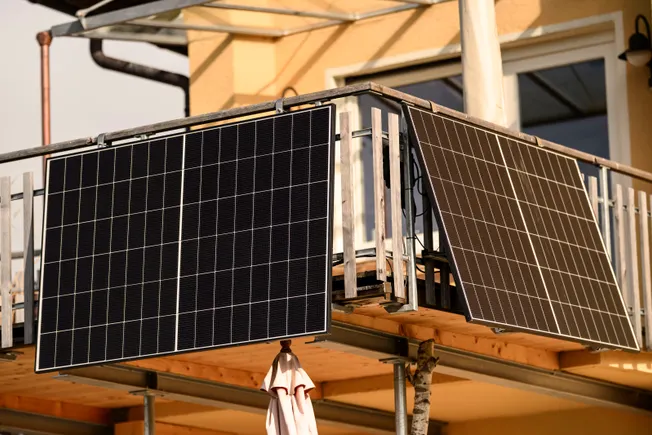
The Virginia legislature has passed a new law that allows residents to use plug-in solar devices without needing permission from their utility companies. This legislation has now been sent to Governor Abigail Spanberger, who is expected to sign it into law.
The Chesapeake Climate Action Network noted that balcony solar was part of the Governor’s energy goals. The measure received strong support from the Governor’s administration during committee discussions.
The bill initially went through the Virginia House of Delegates before receiving unanimous approval in the Senate with a vote of 96-0. It permits residents to use small solar generation devices with a maximum output of 1,200 watts at their homes.
With this law, utilities cannot impose any rules for connecting the devices, charge fees, or require approval for their use. Tony Smith, president of Secure Solar Futures, stated that this move indicates a growing trend toward “permissionless” solar energy, which could benefit all customers, especially renters. He added that it is a step toward transitioning Virginia’s energy landscape from coal to solar and battery storage.
If signed by Spanberger, Virginia will become the second U.S. state, after Utah, to allow balcony solar devices. Similar bills have been introduced in 30 other state legislatures, though some face challenges from utility companies concerned about reliability and safety.
The bill emphasizes that customers must ensure their solar devices do not send power back to the grid or interfere with their home’s electrical system during outages. It also specifies that utilities will not be liable for any harm related to these solar devices.
While these plug-in solar devices may not completely power a household, they can help reduce electricity costs, especially as many Virginians face rising energy expenses due to high energy bills and increased demand from data centers.