

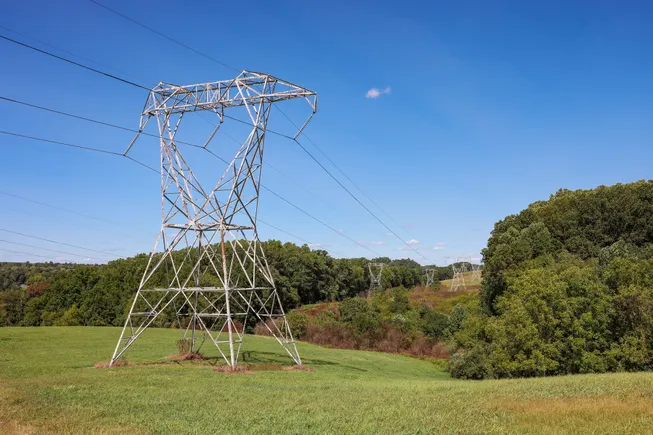
PJM Interconnection has made a significant move by becoming the first grid operator to implement “ambient air” adjusted transmission line ratings. This change allows for better utilization of the transmission line capacity.
Starting March 4, PJM began using hourly ambient-adjusted ratings (AARs) throughout its system. This new approach involves complex data that updates every hour based on weather data, specifically ambient air temperatures, with forecasts extending up to 10 days. The PJM system enhancements ensure that market functions align with these advanced data structures and dispatch methods.
According to Ampacimon, a grid technology company, AARs can boost the capacity on transmission lines by 15% to 40% compared to static ratings. This initiative responds to Federal Energy Regulatory Commission Order 881, which was issued in 2021, directing grid operators to adopt AARs for immediate transmission services.
Traditionally, grid operators assess transmission capacity using static ratings based on conservative weather assumptions. These outdated methods can lead to inefficiencies in the system, which FERC identified when issuing its order. FERC has set a compliance deadline of July 17, 2025, but has allowed for several extension requests.
Other grid operators are at various stages of compliance. For instance, the Midcontinent Independent System Operator expects to fully comply with Order 881 by the end of 2028. Meanwhile, the New York Independent System Operator has until December 31, 2028, to meet compliance.
In another initiative related to Order 881, FERC is considering requiring dynamic line ratings which will factor in wind and solar conditions, enhancing overall grid operations.