

Overview
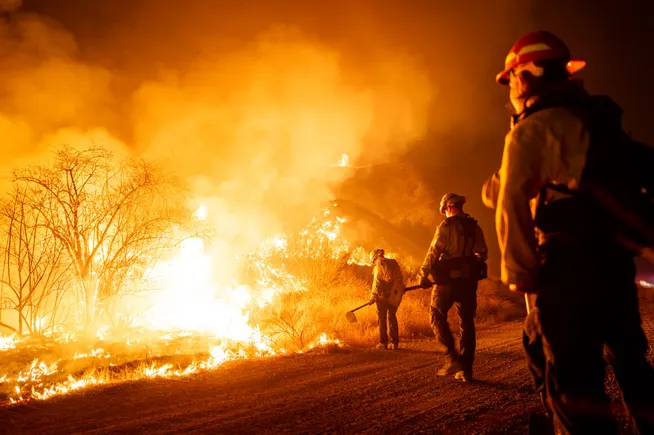
An unusually dry winter in the western United States has raised concerns about severe wildfire risks for 2026, as stated by Sean Peterson, manager of the National Interagency Coordination Center. In 2025, there were 77,850 wildfires across the country, burning a total of 5 million acres. This marks a decline from the previous year’s nearly 9 million acres affected by 67,897 wildfires.
Key Insights
In 2025, while the number of fires increased, the acreage burned was less than the 10-year average of 7.6 million acres. Peterson explained that the decline in acreage can primarily be attributed to the locations of these fires. Traditionally, the largest wildfires occur in Alaska or the Southern Plains, but abundant rainfall in the Southern U.S. last spring and early summer helped reduce fire activity.
Some notable fires in 2025 made headlines not only for their size but also for their impact. The Dragon Bravo Fire, for instance, destroyed the historic Grand Canyon Lodge. Similarly, fires in the Los Angeles area led to severe damage in just 48 hours, marking one of California’s worst disasters.
The Eaton Fire was particularly significant as it was the first major utility-related fire after a new wildfire fund legislation was put into effect in California. It illustrated how quickly the $20 billion fund could be depleted, according to Jack Buckley from Capstone’s Energy advisory team. Buckley emphasized the urgent need for comprehensive reforms in wildfire management to prevent future financial crises.
California’s current legal framework, known as inverse condemnation, holds utilities liable for wildfire damages regardless of negligence. Changing this law would require significant legislative action and voter approval, which could be challenging given current public concerns about living costs.
Discussions around reforming the Wildfire Fund are expected to explore various solutions. Buckley noted the complexity of the issue, highlighting that it involves multiple stakeholders and requires broad changes.
As for 2026, it has already begun with troubling signs for wildfire activity. Early-season fires have emerged in states known for severe wildfires, and the extremely dry winter points to potential challenges ahead. However, predicting the extent of these wildfires remains uncertain. Last year’s predictions for major fires turned out to be inaccurate as ample rains continued through spring, preventing the anticipated outbreaks.
As the situation evolves, many will be keeping a close eye on both weather patterns and legislative developments regarding wildfire management.