

GE Vernova is getting ready to finalize its acquisition of Prolec GE next month. This move is expected to strengthen its position in the global market for low-voltage electrical distribution equipment and improve its long-term financial outlook.
During its fourth-quarter earnings call, the company shared positive news, with CEO Scott Strazik highlighting the strength of their electrification and power segments amid a growing electric power market. However, their wind segment is facing challenges due to shifts in U.S. policy regarding offshore wind projects, although it still experienced solid growth from onshore orders.
Key Financial Highlights:
- Order Backlog: $150 billion in Q4 2025, an increase of over 25%.
- Total Orders: $59.3 billion for the full year, up 65% from 2024.
- Gas Turbine Orders: 59 turbines in Q4, a 74% increase from the previous year.
- Wind Turbine Orders: $7.7 billion, an 8% rise from 2024.
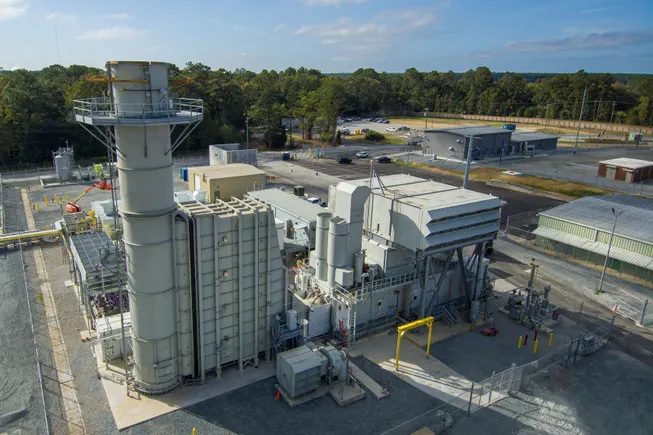
The company’s power segment, including gas turbines, has seen rising demand and better pricing due to the needs of utilities and industrial customers. Strazik noted that gas turbine prices are on the rise, with significant demand expected to continue.
Due to these favorable conditions, GE Vernova anticipates organic revenue growth of 16% to 18% next year in its power segment. The company aims to boost gas turbine production to 20 GW by mid-2026.
Opportunities in Electrification
In the fourth quarter, GE Vernova’s electrification segment grew by 55% year over year. The company’s efforts have been driven by a spike in demand for grid solutions and other critical infrastructure components. They plan to double their output of transformers and switchgears by 2028.
Strazik emphasized their unique capability to link power generation with electrical equipment, which he believes sets them apart from competitors. They are also set to test a new solid-state transformer that could elevate their offerings in the coming years.
Wind Segment Challenges
The wind segment is dealing with financial setbacks, particularly because of recent political changes that have affected offshore wind projects. Strazik mentioned that while challenges persist, particularly from the previous administration, there are still areas of hope, especially in the onshore wind market, where turbine orders are expected to pick up later in 2026. They also secured repowering orders in 2025, indicating growth prospects as older turbines are replaced with newer models.