

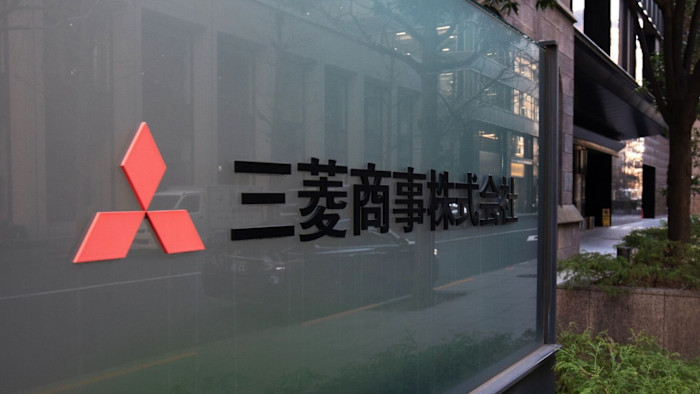
Mitsubishi Corporation is set to make headlines with its latest acquisition, purchasing Aethon Energy, the biggest privately held shale gas producer in the U.S., for $7.5 billion, which includes the company’s debt. This transaction represents the largest acquisition in the history of the trading house, known to have ties with Warren Buffett.
The buying deal will allow Mitsubishi to obtain Aethon, which currently produces about 2.1 billion cubic feet of natural gas daily from the Haynesville basin, located in Texas and Louisiana. This move aims to strengthen energy supply, particularly as new technologies, like artificial intelligence, require more power. Given that Aethon’s gas output makes up roughly 2% of the total U.S. gas production, it’s a significant addition to Mitsubishi’s energy portfolio.
Mitsubishi noted in their announcement that as global demand for energy rises—especially due to technological advancements—natural gas will play a crucial role in ensuring energy security and maintaining competitiveness in various industries.
Japanese energy companies have increasingly looked to the southern U.S. for investment opportunities, attracted by its vast resources and existing export facilities. Japan’s government is also leaning towards using more gas for energy in the coming decades, amidst the U.S.’s push for fossil fuel development.
As part of the Aethon deal, Mitsubishi will invest approximately $5.2 billion and assume $2.3 billion in debt. They plan to boost production to 2.6 billion cubic feet per day, which would cover about a quarter of Japan’s gas imports. It’s estimated that by the 2027 fiscal year, this venture could generate a net income of between ¥70 billion to ¥80 billion (around $442 million to $505 million).
This acquisition comes on the heels of Japan promising to invest $550 billion in the U.S. in exchange for a reduction in tariffs on Japanese exports; however, due to the lack of support from Japanese national banks for this specific deal, it won’t count towards that investment total.
Additionally, Japan’s Jera, a major global gas trader, has committed to securing 5.5 million tonnes of liquefied natural gas (LNG) annually from the U.S. and recently spent $1.5 billion on gas fields in the same region. Other companies, including Japan Petroleum Exploration, have also made significant investments in U.S. energy resources.
Under this new deal, Mitsubishi enhances its position as a leading global player in gas trading, complementing its existing operations in several countries, including Canada and Australia. Aethon’s gas will be able to be exported through the Cameron LNG Terminal, further integrating with Mitsubishi’s trading operations in Houston.
This acquisition not only marks a significant expansion for Mitsubishi but also illustrates a growing trend of Japanese companies investing heavily in U.S. energy, aiming to secure a stable supply for the future.