

Dive Brief:
- The Department of Justice’s Marc Sacks, representing the U.S. Environmental Protection Agency (EPA), distanced himself from allegations made by EPA Administrator Lee Zeldin regarding fraud during a recent hearing. This came in light of a lawsuit from recipients of the Greenhouse Gas Reduction Fund whose funding has been put on hold.
- Sacks defended the EPA’s decision to freeze the funding, citing a clause in the August 2024 grant agreement. He noted that the contract allowed the agency to withdraw funding based on the grantees’ compliance with its terms, and suggested that this clause gave the EPA the authority to act according to agency priorities.
- During the hearing, District Judge Tanya Chutkan pointed out a shift from the EPA’s earlier stance, where the termination notice cited “waste, fraud, and abuse,” indicating that the agency seemed to be moving away from those claims.
Dive Insight:
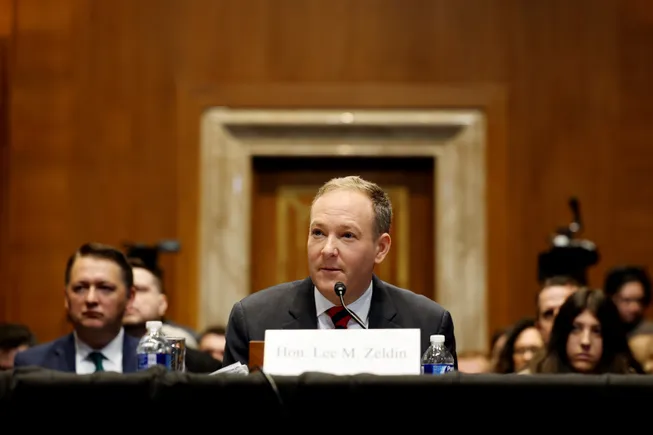
Since the funding freeze on February 16, Zeldin has publicly criticized the grantees repeatedly, alleging fraud and asserting that “$20 billion was awarded to merely eight pass-through non-profits, in a process filled with conflicts of interest and a notable lack of qualifications.”
In a letter from March 2 to Acting Inspector General Nicole Murley, Acting Deputy EPA Administrator Chad McIntosh mentioned that Citibank, the fund holder, had chosen to stop further funding disbursements, citing “reckless financial management” and other serious concerns about the oversight of funds from the previous administration.
McIntosh also raised issues about the structure of the grant agreements which reportedly excluded the EPA from key financial control agreements with subrecipients.
Sacks emphasized that the termination notice addresses concerns regarding financial controls, indicating a need for better governance over the funds.“I don’t believe the termination letter outright accuses the plaintiffs of any wrongdoing,” he said, noting that while the letter referenced the term, it does not imply guilt.
Judge Chutkan intervened to remind Sacks that accusations of waste and fraud have frequently appeared in public statements by EPA officials.
Sacks acknowledged the scrutiny on the EPA’s position, but stressed that the agency aimed to clarify the basis for the termination in its letter, while also arguing that changes made by the outgoing Biden administration may have affected the EPA’s ability to terminate grants based on its priorities.
In support of his arguments, Sacks cited a Supreme Court case, illustrating that funding allocations typically fall within the agency’s discretionary powers.
Chutkan countered that the frozen funds had already been released to the plaintiffs and were merely awaiting distribution through Citibank.
This hearing focused on a request for a preliminary injunction from the plaintiffs, who sought court intervention to access their funds. Although Chutkan issued a ruling on March 18 that blocked the funding freeze, the plaintiffs still cannot access their held funds.
Vincent Levy, an attorney for the Coalition for Green Capital — a key grant recipient — implored Judge Chutkan to restore the situation to what it was before the freeze was imposed. He expressed concerns about the harmful effects of the funding hold on their operations, indicating that it hinders their mission and affects their reputation.
Judge Chutkan concluded the proceedings by indicating that she would strive for a prompt decision on the injunction.