

TotalEnergies has announced another delay for its $20 billion liquefied natural gas (LNG) project in Mozambique, as ongoing security issues and political instability continue to affect one of Africa’s major energy ventures.
The LNG project, which began in 2020, aimed to significantly boost Mozambique’s economy and was touted as Africa’s largest foreign investment at the time. However, the company declared a force majeure in 2021 after a brutal attack by Islamist insurgents resulted in numerous fatalities, including foreign workers, near a site designated for gas processing in Cabo Delgado province.
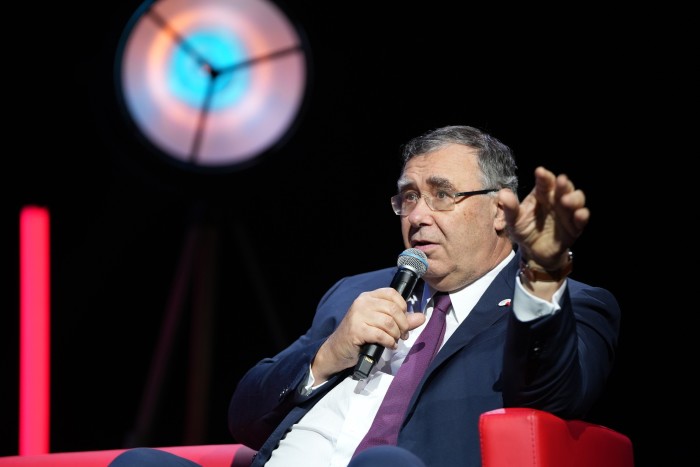
Plans to resume the project by the end of 2024 are now uncertain due to escalating violence following the controversial presidential elections in October, jeopardizing hopes to begin production in 2029. Patrick Pouyanné, CEO of TotalEnergies, expressed his expectations to restart the project by the end of last year during a briefing in New York, emphasizing the target production date.
Despite some progress on the ground, thanks to an alliance between Mozambique and Rwanda, which has sent 4,000 troops to combat the insurgency that has displaced thousands, challenges persist. The new Mozambican president, Daniel Chapo, has made it a key priority to protect the gas project and combat the insurgency, but many citizens, particularly younger urban voters, remain skeptical due to perceptions of electoral fraud.
In a recent statement, TotalEnergies noted that peace and security in Cabo Delgado are essential for the project to move forward. However, anti-government protests, which erupted after the elections, have resulted in over 350 deaths and caused significant disruption, halting business and closing borders.
The political unrest is compounded by financial uncertainties related to funding secured before 2020. A $4.7 billion loan from the US was frozen after the force majeure was declared, and the UK has withdrawn export financing for fossil fuel developments.
Located in the Rovuma Basin, where TotalEnergies holds a 26.5% stake, the project could produce 13 million tonnes of LNG annually. It represents a crucial part of the company’s strategy to meet the growing demand for LNG in Asian markets by 2030, along with other important LNG projects in Qatar, Mexico, the US, Nigeria, and Oman.