

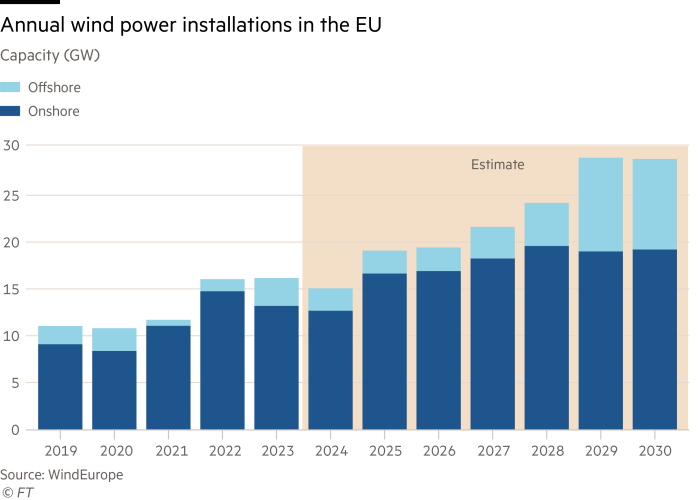
Renewable energy remains a vital topic, especially as many skeptics emerge following recent political events. In Europe, countries are forging ahead with significant clean energy goals, undeterred by shifts in the political landscape. Between 2024 and 2030, the European Union plans to construct an average of 22 gigawatts of new wind farms each year. This increase in wind and solar energy will also positively impact emerging technologies like liquid air energy storage.
Long duration energy storage (LDES) refers to various technologies that can hold electricity from several hours to even months. While pumped storage hydro plants (often called “water batteries”) have traditionally been used, their geographic limitations are pushing interest towards alternative LDES options.
Liquid air energy storage stands out because it is not restricted by location. This technology takes advantage of surplus wind and solar energy to cool, dry, and liquefy air. The stored liquid air remains in insulated tanks until it is needed, at which point it is pressurized, reheated, and expanded to generate power.
In a significant development, the UK’s National Wealth Fund and power company Centrica have come together to fund a £300 million liquid air energy project near Manchester, expected to commence operations in 2026. Once completed, this facility will be one of the largest of its kind in the world, with a storage capacity of 300 megawatt-hours and a power output of 50 megawatts. The project is being developed by Highview Power, with support from notable investors like Rio Tinto and Goldman Sachs Power Trading, and plans for additional, larger facilities are already in the works.
However, liquid air energy storage does come with its challenges—primarily cost. The initial storage costs can be around £500 per kilowatt-hour, compared to approximately £300 for lithium-ion batteries. To encourage further development, the UK government has introduced a “cap and floor” revenue scheme for operational plants. Nevertheless, for liquid air energy storage to gain widespread adoption, developers will need to focus on significantly lowering costs.