

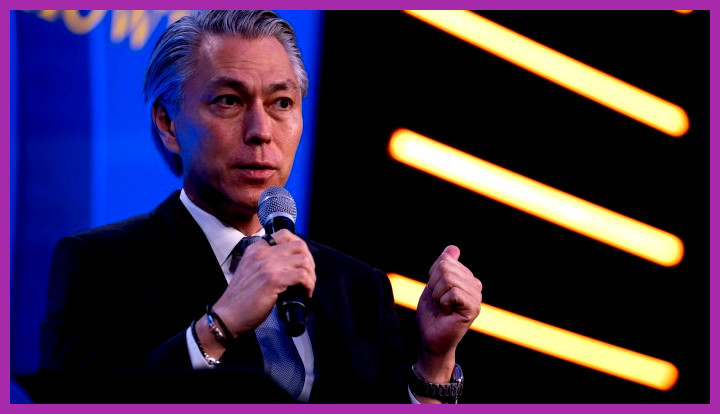
The emergence of protectionist policies under president-elect Donald Trump could potentially slow down the global shift toward greener energy solutions, warns Mike Henry, the CEO of mining giant BHP.
Henry expressed his concerns about Trump’s suggested tariffs on imports and the possibility of a global trade conflict, highlighting these as significant obstacles for the energy transition. BHP, which operates the world’s largest copper mine, plays a crucial role in supporting decarbonization efforts because copper is key to various technologies, including electricity cables, wind turbines, and solar panels.
Speaking in Paris, Henry stressed that the geopolitical effects of U.S. policies might impede investment in the essential metals and minerals needed for the world’s energy transition. He pointed out that trade tariffs could dampen the enthusiasm of countries striving to advance their own energy initiatives.
As renewable energy has seen remarkable growth—surging by over 60% in 2023—there are still challenges ahead, including slowing growth due to rising interest rates and supply chain issues, even before Trump’s election. His campaign promised tariffs of up to 60% on imports from China, an important market for BHP.
Henry emphasized the urgency of ensuring a reliable supply of critical metals not only for transitioning energy systems but also to support global population growth and urbanization. He noted that BHP is focusing on developing its commodity portfolio in line with future trends, particularly in copper.
Despite recent setbacks in acquiring UK-based rival Anglo American, which would have expanded BHP’s copper production significantly, Henry clarified that the company’s strategy involves exploring organic growth opportunities and earlier-stage projects rather than being fixated on big acquisitions.
With significant investments like the $11 billion committed to the Jansen potash mine in Canada, BHP is positioning itself to control a substantial share of the global fertilizer market by the early 2030s.
While Trump’s protectionist stance poses challenges for the wider economy and commodity markets, Henry believes that BHP is better positioned than many competitors. The company benefits from numerous free trade agreements with the U.S., providing an edge in the current economic landscape.
Additionally, Henry pointed to supportive measures like the Inflation Reduction Act, which includes subsidies for renewable energy projects, as potential aids for overcoming the challenges facing the mining sector created by the energy transition. However, Trump has indicated plans to eliminate these subsidies and further support traditional fossil fuel industries upon taking office in January.