

The COP29 climate summit faced a major setback on Saturday when representatives from 80 small island nations and other vulnerable countries walked out of negotiations. These nations left discussions about how to finance a shift toward a low-carbon economy and address climate change impacts after receiving a revised proposal of $300 billion from wealthier countries, which is $50 billion more than the initial offer.
The G77 group of developing nations had been asking for a minimum of $500 billion. A representative from Barbados expressed the sentiment of the group, saying, “We’ve not been offered a deal, we’ve been offered an insult.”
As tension grew, protesters gathered at the summit venue, chanting, “No deal is better than a bad deal,” urging the G77 to withdraw from negotiations.
The chair of the small island states group, Cedric Schuster, indicated that they were still open to dialogue, stressing the importance of inclusive negotiations.
Alden Meyer, a senior associate at E3G, described the situation as “a crisis,” stating that the walkout signified a significant lack of trust in the negotiation process.
Finance is just one of the key issues at this summit in Baku, where nearly 200 countries are in discussions. Tensions escalated when Germany accused Azerbaijan, the host country, of supporting fossil fuel-producing nations in their attempts to dominate the talks.
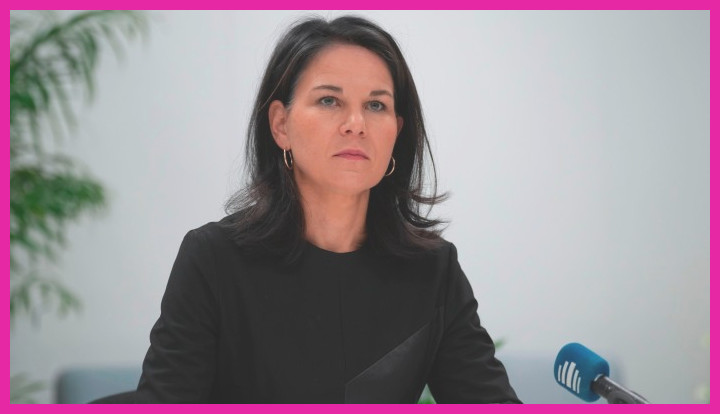
German Foreign Minister Annalena Baerbock criticized a few fossil fuel states for engaging in “geopolitical power plays,” asserting that they were taking advantage of the world’s poorest and most vulnerable countries. “We will not allow them to be cheated by a few fossil fuel nations,” she added.
Several sources involved in the negotiations claimed that countries like Saudi Arabia and Russia were trying to prevent any progress toward last year’s agreement aimed at moving away from fossil fuels. “It is clear who is pulling the strings of the COP29 presidency,” noted a senior negotiator.
Azerbaijan’s economy heavily depends on fossil fuels, and during the opening days of COP29, President Ilham Aliyev had praised the country’s valuable oil and gas resources in his speeches.
Criticism was also directed at the EU’s negotiation strategy. Juan Carlos Monterrey Gomèz from Panama accused the EU of dragging out discussions on climate finance, aiming to force a last-minute decision. He stated, “This is what they always do…until we’re exhausted.”
Despite these challenges, EU climate commissioner Wopke Hoekstra insisted that efforts were ongoing to create a collaborative atmosphere, though he acknowledged the difficulties in reaching agreements on finance and mitigation.
The COP29 presidency team, under the leadership of Azerbaijan’s ecology minister, has not provided comments on these developments, and requests for comments from Saudi Arabia and Russia went unanswered.